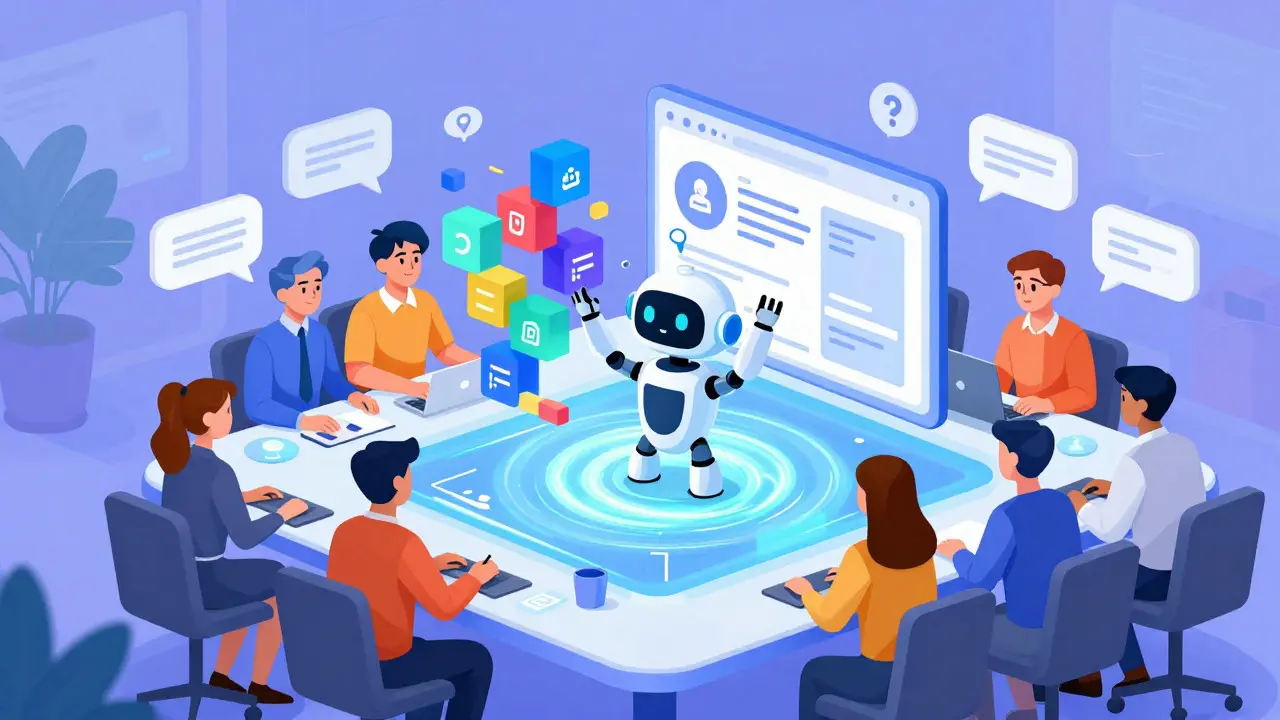
Imagine describing a complex e-commerce backend in plain English and having a working API ready in minutes. That is the promise of vibe coding, a modern development paradigm where artificial intelligence translates natural language prompts into functional application code. It is not just a buzzword; it is a shift in how we build software, moving from manual syntax writing to intent-based creation. For businesses and developers alike, this approach unlocks speed and creativity that traditional methods often stifle. Whether you are a startup founder testing an idea or an enterprise team scaling infrastructure, understanding where vibe coding fits best can transform your workflow.
What Is Vibe Coding and Why It Matters Now
Vibe coding is fundamentally a model of programming that allows users to create applications with minimal to no manual code writing. Instead of wrestling with boilerplate syntax, you describe the desired functionality in conversational language. The AI assistant handles the heavy lifting: parsing requirements, selecting appropriate frameworks, and generating the logic. This technology stack typically involves advanced AI language models integrated directly into development environments, enabling real-time iteration. The result is a significant reduction in time-to-market, allowing teams to focus on high-level architecture and business logic rather than repetitive implementation tasks.
Rapid Prototyping and MVP Development
The most immediate impact of vibe coding is seen in rapid prototyping and Minimum Viable Product (MVP) creation. Startups and product managers use this method to test core functionality without significant capital risk. You can generate a simple SaaS application or feature mock-up with tangible interfaces for user testing or investor demonstrations within minutes. This speed enables fluid iteration cycles. If a user dislikes a button placement or flow, you simply prompt the AI to change it. This lowers the barrier to entry for experimentation, fostering a culture of innovation where ideas can be validated quickly and cheaply. It is particularly useful for agencies and consultancies that need to show client progress through live demonstrations and immediate feedback loops.
Enterprise Infrastructure and Microservices
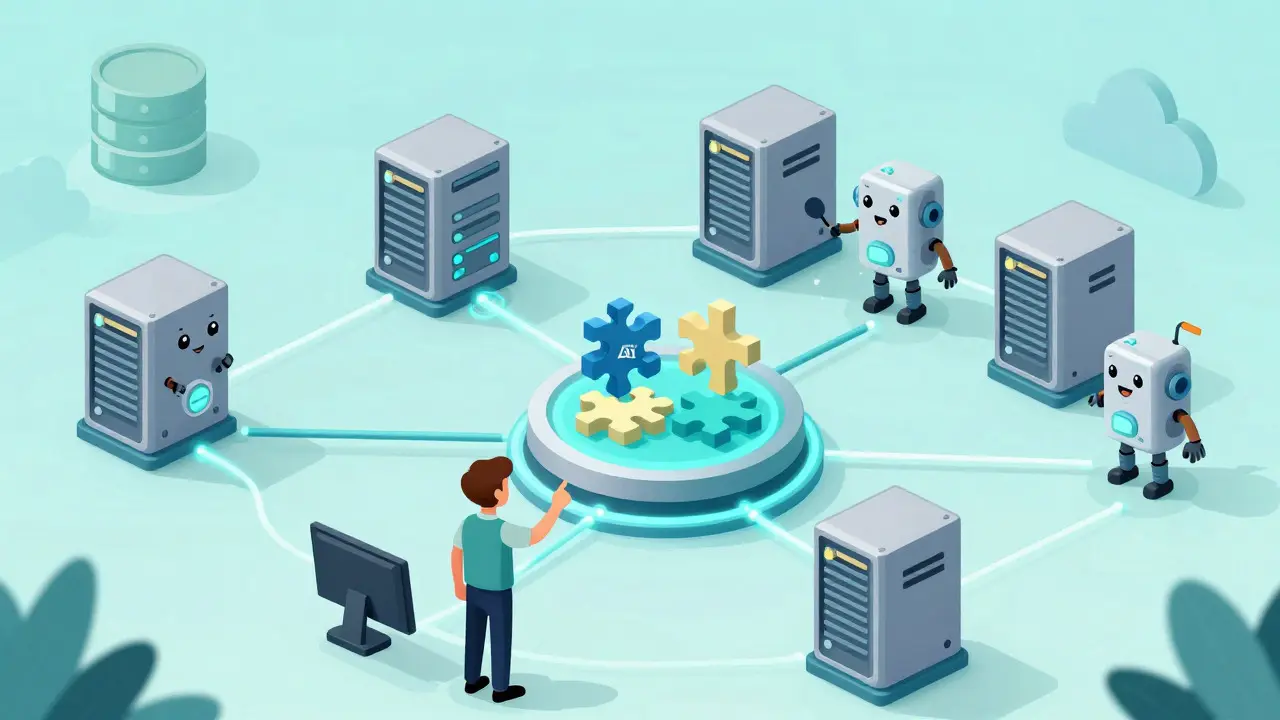
Beyond simple apps, vibe coding scales surprisingly well to complex enterprise needs. Consider Node.js application development. Developers can generate complete WebSocket implementations for real-time collaboration platforms by prompting for server-side connection management and room handling. In e-commerce, the AI can scaffold entire backend infrastructures, including MongoDB product schemas, RESTful APIs for shopping carts, and payment gateway integrations. Perhaps most impressively, vibe coding excels at scaffolding microservices architectures. It rapidly defines API contracts, generates inter-service communication logic, and creates central API gateways. This capability accelerates the development of distributed systems, ensuring consistent code standards across large codebases while reducing the cognitive load on senior engineers.
Industry-Specific Applications
Different industries leverage vibe coding in unique ways tailored to their specific constraints and goals.
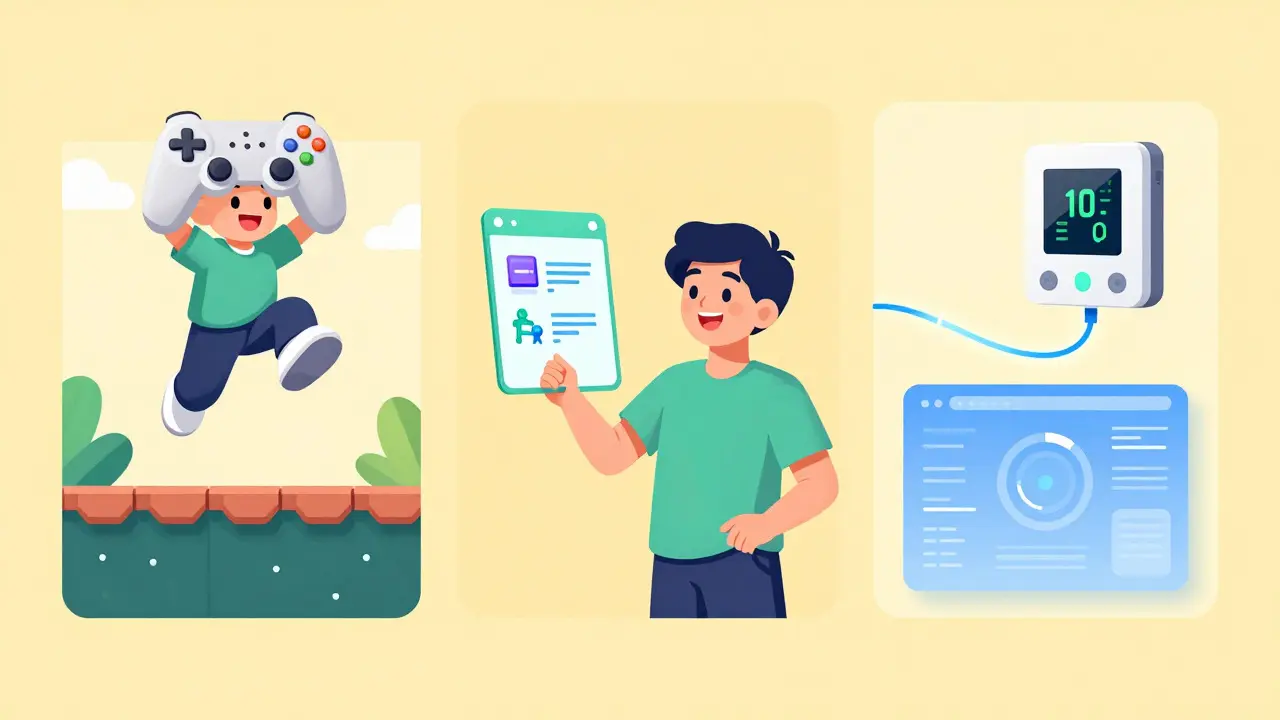
- Gaming: Startups create simple games with minimal manual coding. Users can generate basic game scenarios and test results immediately, even using free-tier AI tools. This allows for rapid gameplay iteration without deep programming expertise.
- Business Operations: Companies automate workflows and streamline internal processes. Employees can customize toolkits, generate reports, and visualize data findings with minimal IT department involvement. This democratizes data access and speeds up decision-making.
- Educational Technology: EdTech providers use vibe coding to personalize study experiences. They create interactive quizzes and teach coding fundamentals by letting students build small projects through natural language commands, making learning more engaging and accessible.
- IoT and Streaming: For Internet of Things (IoT) systems, vibe coding generates server-side logic for MQTT protocol connections and database schemas for device telemetry. In media, it helps implement adaptive bitrate streaming logic, ensuring low-latency content delivery across various devices.
Design Flexibility and Creative Freedom
One of the standout features of vibe coding is its design flexibility. Creating landing pages represents an ideal use case because the technology excels at aesthetic control. You describe desired layouts, styles, and content, and AI tools generate pages matching brand specifications. Elements can be modified rapidly through simple prompts. This is crucial for marketing campaigns, product showcases, and educational contexts that emphasize interactivity over heavy data processing. Interactive microsites, promotional mini-games, and branded scrollable demos benefit from this approach. Since these projects often operate client-side, they avoid many security concerns associated with personal data handling, making them low-risk, high-reward applications for creative teams.
Security Considerations and Human Oversight
While AI-generated code is powerful, it is not infallible. Security considerations remain critical, especially in financial and healthcare sectors. However, vibe coding provides strong starting points. You can prompt the AI to generate code implementing specific security measures like input sanitization, data encryption, and robust authentication mechanisms. These implementations serve as a baseline that security experts can then validate and refine. The key is maintaining human oversight. The AI handles the complexity, but humans ensure compliance and edge-case handling. This hybrid approach balances speed with reliability, acknowledging both the capabilities and limitations of AI-generated security implementations.
| Industry | Primary Use Case | Key Benefit | Complexity Level |
|---|---|---|---|
| Gaming | Game Logic & Scenarios | Rapid Playtesting | Low-Medium |
| E-Commerce | Backend APIs & DB Schemas | Faster Time-to-Market | High |
| Education | Interactive Quizzes | Personalized Learning | Low |
| IoT | Device Telemetry & MQTT | Scalable Device Management | High |
| Marketing | Landing Pages & Microsites | Design Flexibility | Low |
Best Practices for Implementation
To get the most out of vibe coding, follow these practical guidelines:
- Start Small: Break down complex features into smaller, manageable prompts. This helps the AI understand context better and reduces errors.
- Iterate Visually: Use the generated code as a base, then tweak it manually if needed. Don't be afraid to mix AI-generated and hand-written code.
- Review Security: Always audit AI-generated security logic. Check for common vulnerabilities like SQL injection or broken access control.
- Document Intent: Keep track of the prompts used. This serves as documentation for future developers who might not know the original intent behind certain code blocks.
- Test Early: Run automated tests on generated code immediately. Vibe coding speeds up writing, but testing remains essential for quality assurance.
Is vibe coding suitable for production environments?
Yes, but with caveats. Vibe coding is excellent for generating boilerplate and standard components that can be deployed to production after rigorous testing and security audits. It is less suitable for highly specialized, resource-constrained embedded systems where every byte counts. For most web and mobile applications, it is a viable production strategy when combined with human review.
Do I need to know how to code to use vibe coding?
No, you do not need to be an expert programmer. Basic technical literacy helps, but the primary skill is clear communication. You describe what you want, and the AI writes the code. However, knowing some coding fundamentals makes it easier to debug issues or fine-tune the output.
How does vibe coding compare to traditional low-code platforms?
Traditional low-code platforms rely on drag-and-drop interfaces with predefined blocks. Vibe coding uses natural language prompts to generate actual code. This offers more flexibility and less restriction, as you are not limited to the platform's specific component library. You can generate code for any framework or language supported by the underlying AI model.
What are the main risks of using AI-generated code?
The main risks include hidden bugs, security vulnerabilities, and dependency on specific AI models. AI might generate code that works in isolation but fails in integration. To mitigate this, always perform code reviews, run comprehensive test suites, and monitor performance in staging environments before full deployment.
Can vibe coding handle legacy system migration?
It can assist, but it is not a magic bullet. You can use vibe coding to generate new modules or APIs that interface with legacy systems. However, migrating entire monolithic legacy applications requires careful planning and extensive testing. Vibe coding is best used to build new layers around old systems rather than rewriting everything at once.