Tag: large language models

Domain Adaptation in NLP: Fine-Tuning LLMs for Specialized Fields
Discover how domain adaptation transforms general LLMs into specialized experts. Learn about DAPT, SFT, and efficient techniques like DEAL to boost accuracy in legal, medical, and financial fields.
Read more
Autoregressive Text Generation in LLMs: How Next-Token Prediction Works
Discover how Large Language Models generate text one token at a time. Learn about autoregressive mechanisms, causal masking, and sampling strategies that power modern AI.
Read more
Attention Head Specialization in LLMs: How Transformers Focus
Discover how attention head specialization in LLMs allows transformers to process syntax, semantics, and logic in parallel. Learn about the mechanics, benefits, and tools for analyzing these specialized components.
Read more
Prompt Length vs Output Quality: Why Longer Prompts Hurt LLM Performance
Discover why longer prompts often hurt LLM output quality. Learn about attention bottlenecks, recency bias, and optimal token counts for GPT-4, Claude, and Gemini to improve accuracy and reduce costs.
Read more
Federated Learning for Large Language Models: Training Without Data Centralization
Discover how Federated Learning enables training Large Language Models without centralizing sensitive data. Explore frameworks like OpenFedLLM, privacy benefits, and real-world applications in healthcare and finance.
Read more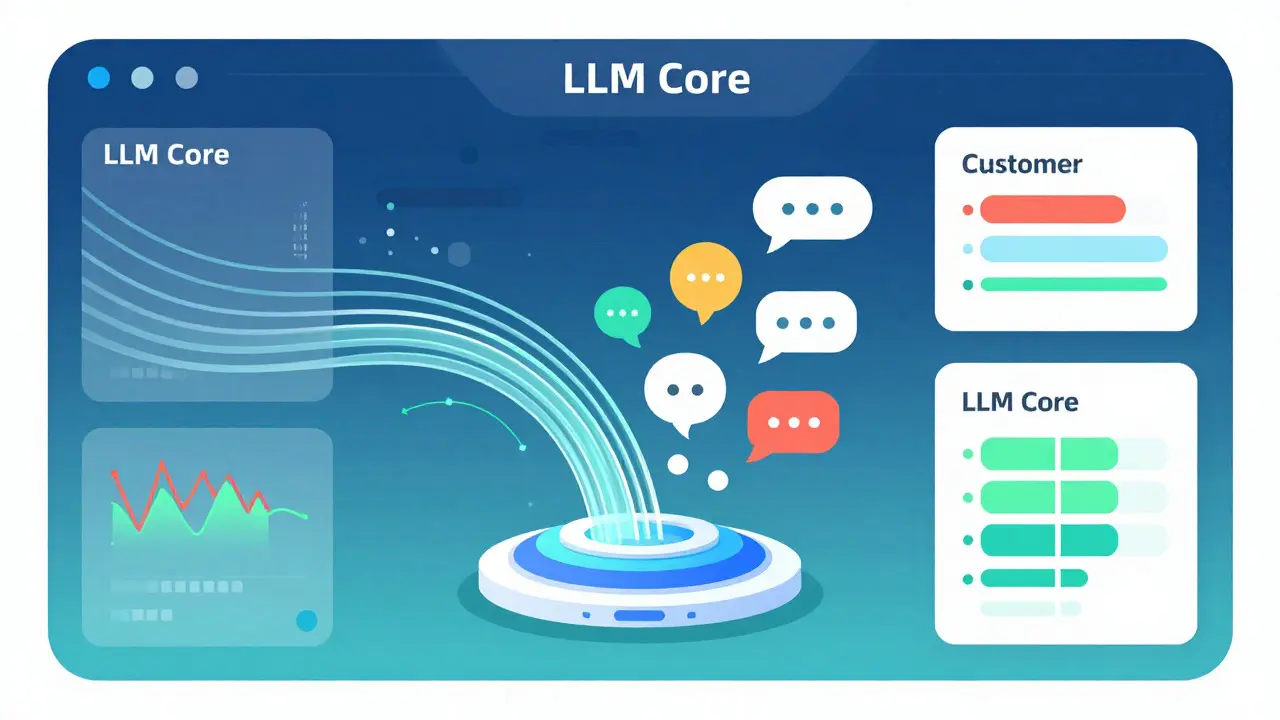
Contact Center Analytics with Large Language Models: Sentiment and Intent Detection
Explore how Large Language Models revolutionize contact center analytics through advanced sentiment and intent detection. Learn about HDBSCAN clustering, intent chaining, and predictive insights.
Read more
How LLM Attention Patterns Decode Syntax, Semantics, and Long-Range Dependencies
Explore how attention mechanisms in LLMs decode syntax, semantics, and long-range dependencies. Learn about the shift from RoPE to PaTH Attention and its impact on AI reasoning.
Read more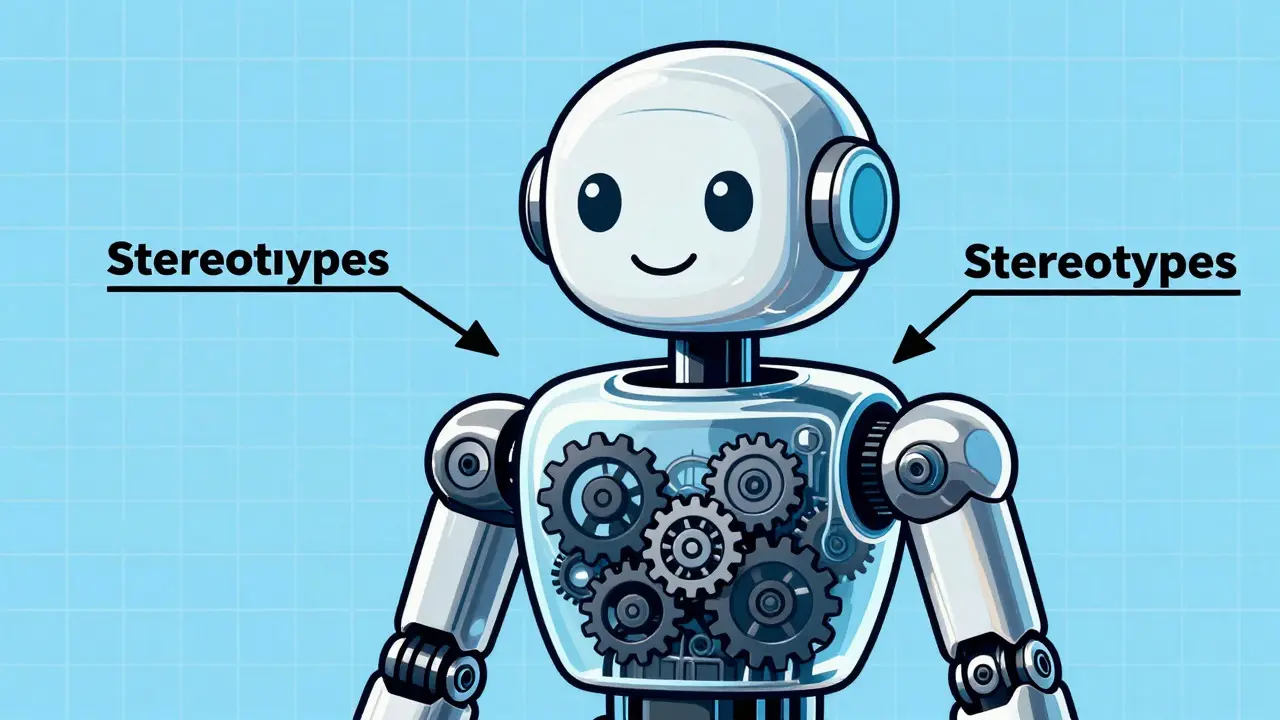
How to Detect Implicit vs Explicit Bias in LLMs: A Practical Guide for 2026
Discover how to detect hidden implicit bias in LLMs that pass standard fairness tests. Learn practical methods like the LLM-IAT and Bayesian testing to ensure AI equity in 2026.
Read more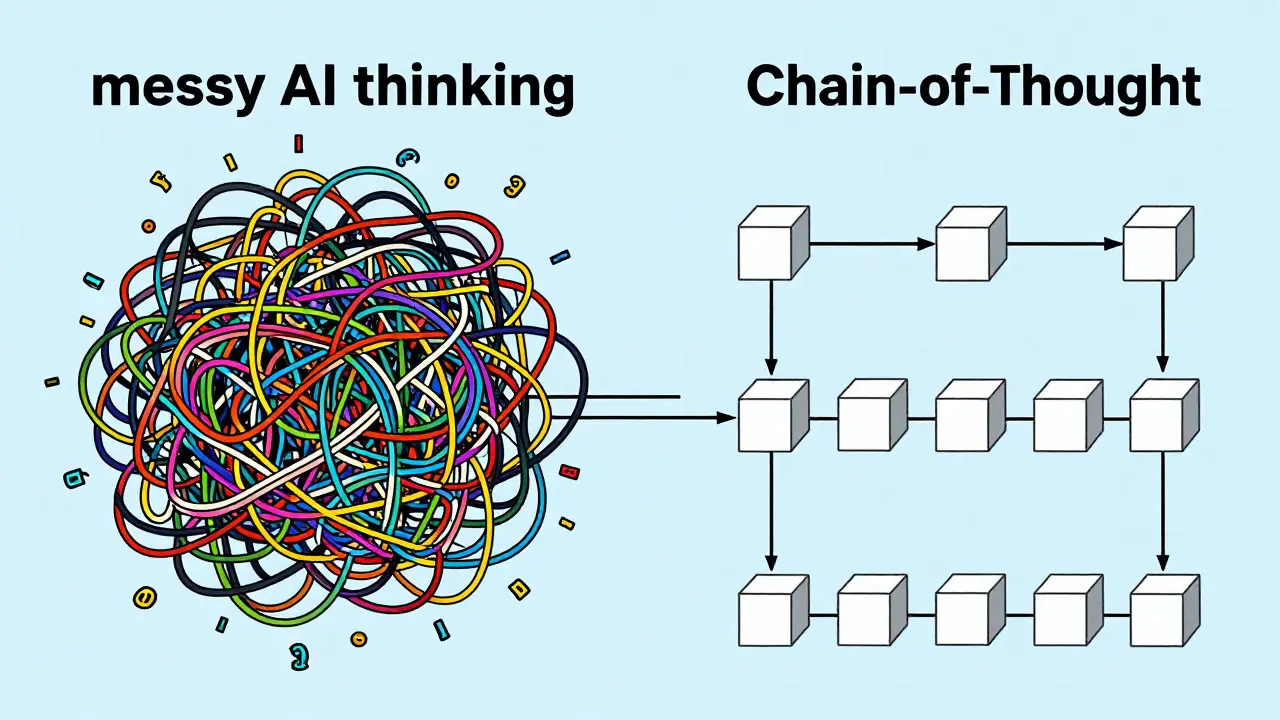
Structured Reasoning in LLMs: How Planning and Tool Use Fix AI Errors
Discover how Structured Reasoning Modules transform LLMs by adding planning, verification, and tool use. Learn why this 2026 breakthrough boosts accuracy by 12% on complex tasks.
Read more
Compositional Generalization in NLP: Can LLMs Reason Systematically?
Explore compositional generalization in NLP. Can LLMs truly reason systematically, or just mimic patterns? We analyze benchmarks like SCAN, CFQ, and COGS to reveal the limits of AI logic.
Read more
Multi-Task Fine-Tuning for LLMs: How One Model Masters Many Skills
Discover how multi-task fine-tuning enables one LLM to master many skills. Learn about the cocktail effect, MoA architecture, and implementation strategies for 2026.
Read more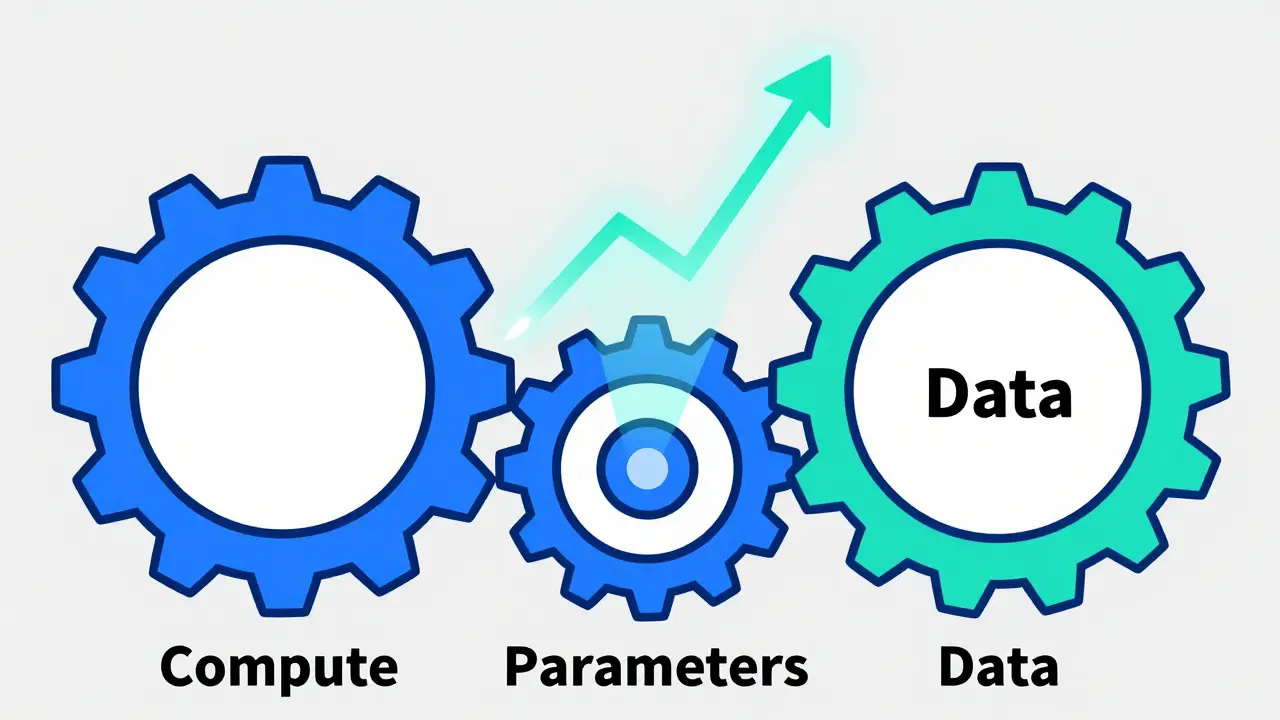
Neural Scaling in NLP: How Compute Predicts LLM Performance
Discover how neural scaling laws predict LLM performance using compute, data, and parameters. Learn from GPT-3's size focus to Chinchilla's data balance and the new era of inference-time reasoning.
Read more