Category: Cybersecurity

Data Privacy Pitfalls for Non-Technical Vibe Coders
Non-technical vibe coders face unique data privacy risks despite rapid development speeds. Learn how to avoid GDPR fines and security breaches.
Read more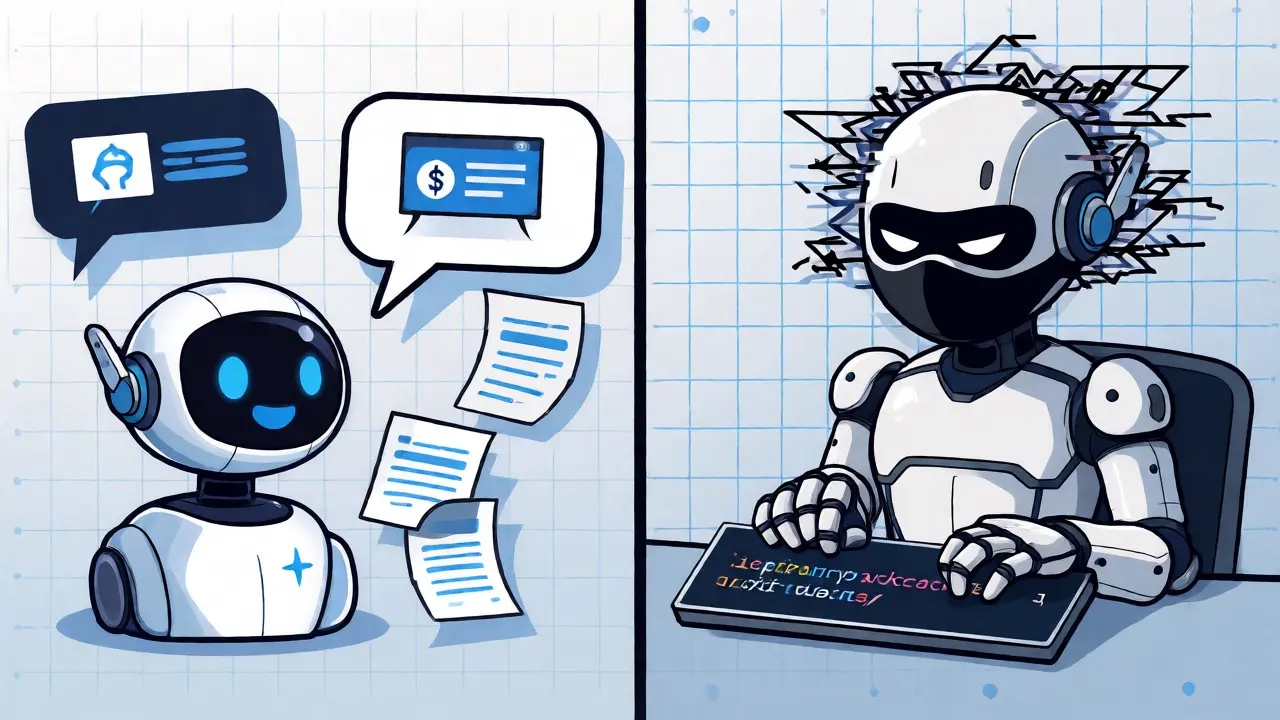
Incident Response for Generative AI: Handling Model Failures and Abuse
Learn how to handle Generative AI incidents, from model failures to prompt injection attacks. Discover specialized response workflows, containment strategies, and best practices for securing AI systems.
Read more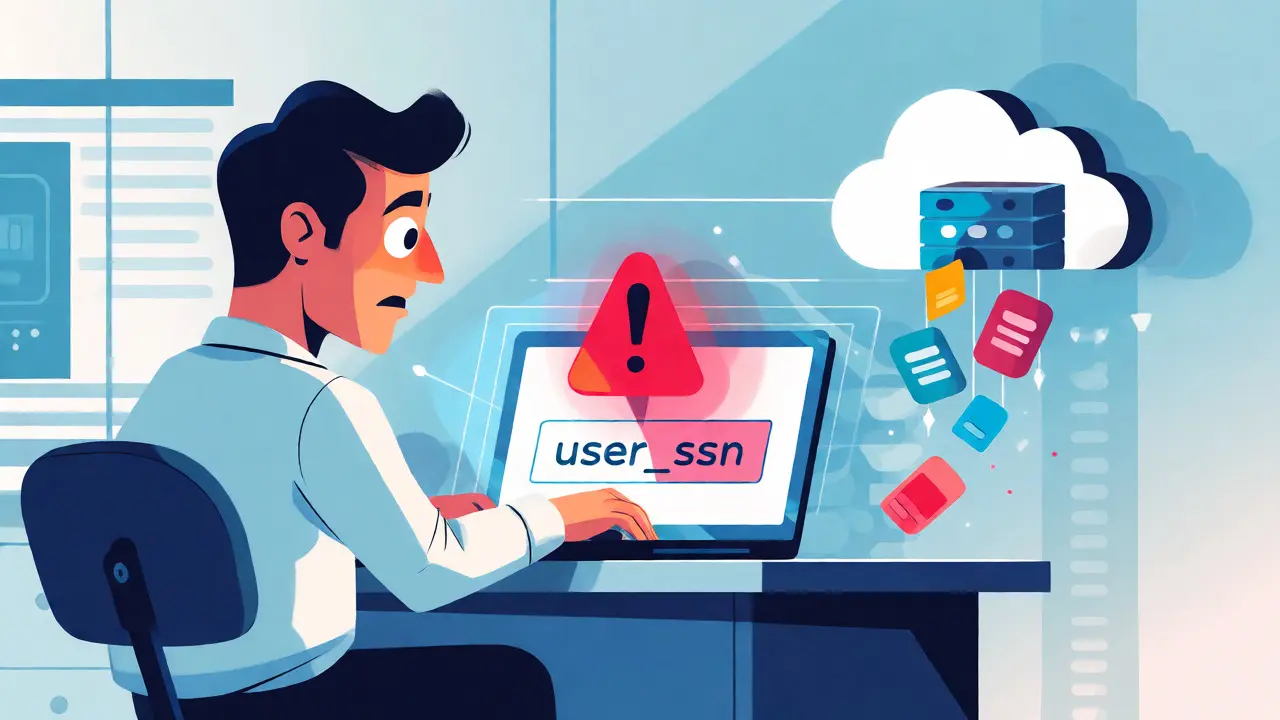
Safety-Aware Prompting: How to Stop AI from Leaking Sensitive Data
Learn how safety-aware prompting protects your data and prevents AI vulnerabilities. Discover key strategies to avoid leaks and injections.
Read more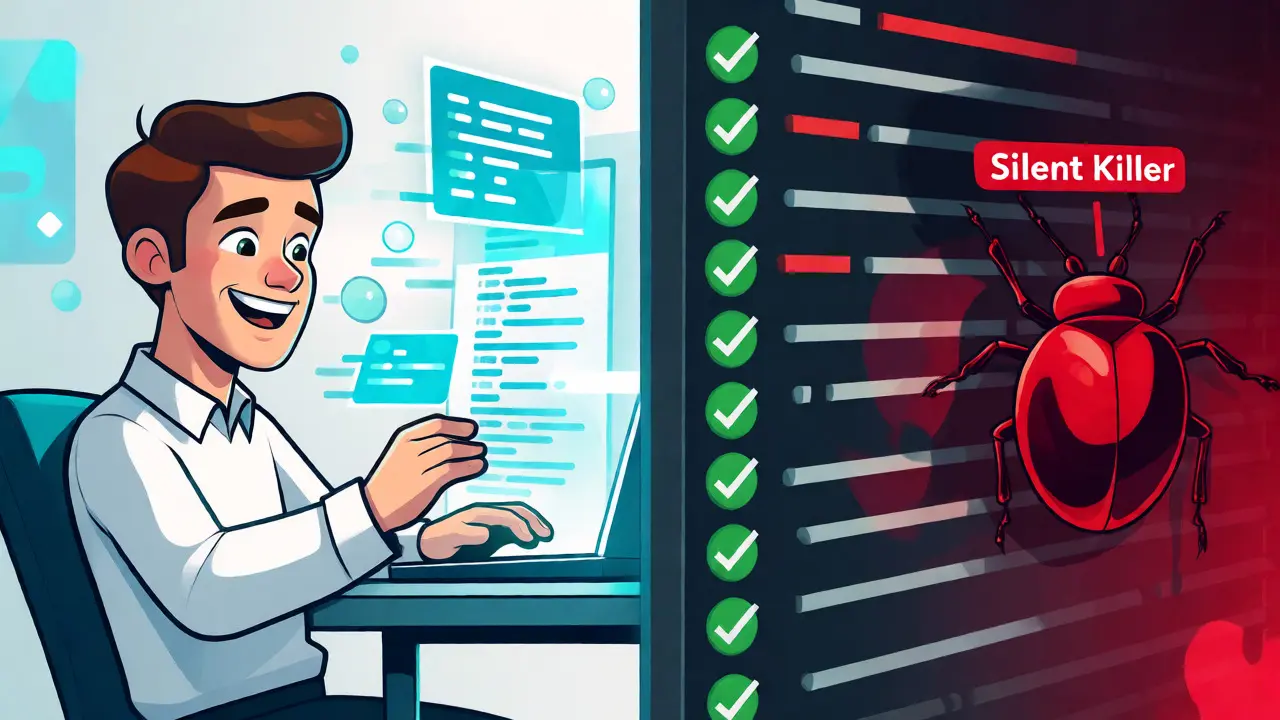
Vibe Coding Security: What Buyers Must Assess Before Adopting AI Dev Tools
Discover the hidden security risks of vibe coding platforms. Learn how to assess AI dev tools for secrets leakage, dynamic validation, and compliance to avoid costly breaches.
Read more
Secure Defaults in Vibe Coding: CSP, HTTPS, and Security Headers
Discover how to secure AI-generated apps with CSP, HTTPS, and headers. Learn why vibe coding needs strict defaults to prevent vulnerabilities.
Read more
Securing LLM Deployments: A Guide to Containers, Weights, and Dependencies
Discover how to secure LLM deployments by protecting containers, verifying model weights, and managing dependencies. Learn practical steps to mitigate supply chain risks.
Read more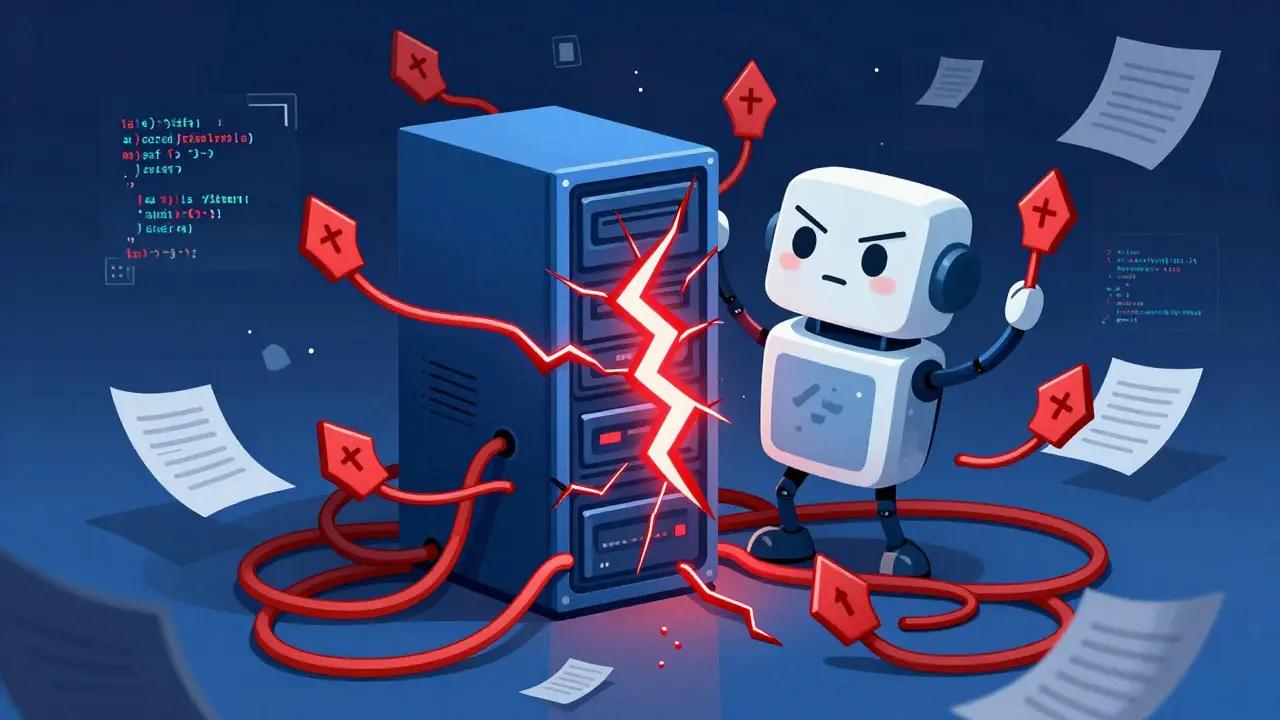
Memory Safety in LLM-Generated Native Code: Choosing Safer Languages
Discover why choosing memory-safe languages like Rust or Go is critical for LLM-generated native code. Learn practical workflows and comparisons to reduce security risks.
Read more
Threat Modeling for LLM Integrations: A Practical Guide for Enterprise Apps
Learn how to secure enterprise apps with LLM integrations. This guide covers threat modeling, prompt injection risks, and practical mitigation strategies using modern AI tools.
Read more
Security Basics for Non-Technical Builders Using Vibe Coding Platforms
Learn essential security basics for non-technical builders using vibe coding platforms. Protect your AI-generated apps from secret exposure, XSS, and misconfigurations with practical tips.
Read more
Cybersecurity and Generative AI: Threat Reports, Playbooks, and Simulations for 2026
Explore how generative AI transforms cybersecurity in 2026. Learn about key threat reports, essential playbooks for prompt injection and shadow agents, and simulation strategies to defend against AI-driven attacks.
Read more
Compliance Controls for Secure Large Language Model Operations: A 2026 Guide
Learn how to secure LLM operations with effective compliance controls. This guide covers semantic firewalls, OWASP Top 10 for LLMs, regulatory requirements like the EU AI Act, and practical implementation steps for 2026.
Read more
Self-Hosting LLMs: Security, Compliance, and the API Trade-Off
Explore the security and compliance benefits of self-hosting LLMs versus using public APIs. Learn how to manage data privacy, meet HIPAA/GDPR requirements, and secure your infrastructure.
Read more