
Big companies move like cruise ships. They turn slowly, they carry massive weight, and it takes a long time to change course. Startups, digital agencies, and e-commerce brands? They are speedboats. In 2026, these three groups are not just using new technology; they are forcing the rest of the world to follow. While legacy enterprises are still writing committees for how to use artificial intelligence, a small team in a garage is already deploying an AI agent that handles customer support, inventory, and sales simultaneously.
This shift isn't accidental. It is driven by survival. For a startup, adopting new tech is the only way to compete with giants. For an agency, it is the only way to stay profitable as clients demand faster results. For e-commerce, it is the difference between closing a sale at midnight or losing it to a competitor who never sleeps. Let’s look at why these sectors are leading the charge and what you can learn from their playbook.
The Startup Mindset: Speed Over Perfection
Startups are early-stage companies focused on rapid growth and innovation, often characterized by high risk and high reward potential. In 2026, the definition of a startup has shifted. It is no longer just about having a great idea; it is about having the fastest implementation cycle.
Startups lead adoption because they have no legacy baggage. There is no old server room to maintain, no decade-old codebase to protect, and no committee of stakeholders who fear change. This allows them to adopt Generative AI is technology capable of creating new content, including text, images, and code, based on patterns learned from vast datasets tools immediately. If a new coding assistant drops on Tuesday, a startup team is using it by Wednesday morning. An enterprise might spend six months evaluating security risks before even downloading the trial version.
The data backs this up. According to recent developer surveys, over 84% of developers in agile environments (often startups) are actively using AI tools, compared to significantly lower rates in traditional corporate IT departments. Why? Because for a startup, time-to-market is oxygen. If you can build your product 50% faster using low-code platforms or AI-generated code, you do. You don’t ask permission. You just ship.
- No Legacy Debt: Startups build on modern stacks from day one, making integration seamless.
- Flat Hierarchies: Decisions happen in Slack channels, not boardrooms.
- Risk Tolerance: Failure is expected; trying new tech is part of the job description.
This creates a culture where technology is not a support function but the core product. When a startup adopts a new CRM or analytics tool, it is not just buying software; it is buying a competitive edge. This mindset trickles down. The tools they validate become the standards the rest of the industry eventually adopts.
Digital Agencies: The Middlemen of Innovation
Digital Agencies are service-based businesses that create marketing, design, and development solutions for multiple clients across various industries. These organizations occupy a unique position in the tech ecosystem. They are not end-users of the products they build, nor are they the creators of the underlying infrastructure. They are the translators.
Agencies lead adoption because their business model depends on efficiency. An agency’s profit margin is directly tied to how many billable hours they can save without sacrificing quality. If a new AI tool can automate 30% of the copywriting process or generate initial design mockups in seconds, the agency adopts it instantly. It’s simple math. More output per hour means higher margins or better client satisfaction.
In 2026, we see agencies acting as "adoption consultants" for their clients. A mid-sized retailer doesn’t know if they should use headless commerce or a traditional platform. The agency tests both, figures out which integrates best with the latest AI personalization engines, and recommends the winner. This forces agencies to stay ahead of the curve. If they fall behind, they lose credibility.
The rise of Low-Code Development is a software approach that enables rapid application creation through graphical user interfaces and configuration rather than traditional hand-coding is a prime example. With a compound annual growth rate of nearly 38%, low-code tools are becoming the backbone of agency delivery. Agencies use these platforms to prototype quickly, show clients working demos within days instead of weeks, and then scale up. This agility makes them the primary drivers of SaaS adoption in the broader market.
| Sector | Primary Driver | Key Technology Focus | Adoption Speed |
|---|---|---|---|
| Startups | Survival & Growth | AI Coding, Cloud Infrastructure | Immediate (Days) |
| Agencies | Efficiency & Margins | Low-Code, Automation Tools | Fast (Weeks) |
| E-Commerce | Revenue Conversion | Personalization Engines, Payment Tech | Strategic (Months) |
| Enterprise | Risk Mitigation | Legacy Integration, Security | Slow (Years) |

E-Commerce: Data as the New Currency
E-Commerce refers to the buying and selling of goods and services over the internet, encompassing everything from small online stores to global retail platforms. This sector leads adoption because every interaction is measurable. In physical retail, you guess how many people walked past your store. In e-commerce, you know exactly how many visited, clicked, hesitated, and bought.
This data-rich environment makes e-commerce the perfect testing ground for advanced technologies. In 2026, static websites are dead. Every major e-commerce player is using dynamic, AI-driven storefronts. These systems analyze user behavior in real-time and adjust prices, recommendations, and even visual layouts to maximize conversion rates. If a user from New York looks at winter coats, the site shows heavy parkas. If a user from Florida looks at the same category, it shows light jackets. This level of personalization requires sophisticated machine learning models, and e-commerce brands are deploying them at scale.
Payment technology is another area where e-commerce leads. The adoption of buy-now-pay-later (BNPL) options, cryptocurrency payments, and one-click checkout systems started in niche online stores and became standard practice. E-commerce brands cannot afford friction. If the checkout process takes more than two clicks, they lose the sale. This pressure drives them to adopt the newest payment gateways and fraud detection algorithms long before banks or brick-and-mortar retailers do.
Furthermore, the integration of social commerce-buying directly within social media apps-is largely driven by e-commerce brands pushing platforms to build these features. Brands want to shorten the path from discovery to purchase. They adopt Instagram Shopping, TikTok Shop, and emerging AR try-on tools because they see direct ROI. This consumer-facing urgency pushes the entire supply chain to modernize.
Why Enterprise Lags Behind
It is important to understand why large corporations struggle to keep up. It is not because they lack money. It is because they lack flexibility. Large organizations face what is known as "legacy debt." They run on mainframes, outdated databases, and complex compliance regulations that span decades. Integrating a shiny new AI tool into a system built in 1995 is like trying to install a smartphone app on a rotary phone.
Additionally, enterprise decision-making is consensus-driven. A startup founder says yes, and it happens. An enterprise CIO needs approval from legal, security, finance, and operations. Each department has different priorities. Legal worries about liability. Security worries about breaches. Finance worries about budget. By the time everyone agrees, the technology may already be obsolete.
This gap creates an opportunity. Many enterprises are now partnering with startups and agencies to bridge this divide. Instead of building internal solutions, they acquire innovative startups or hire specialized agencies to implement cutting-edge tools. This "acqui-hiring" trend is accelerating in 2026, as big companies realize they cannot innovate fast enough from within.
The Role of AI in Accelerating Adoption
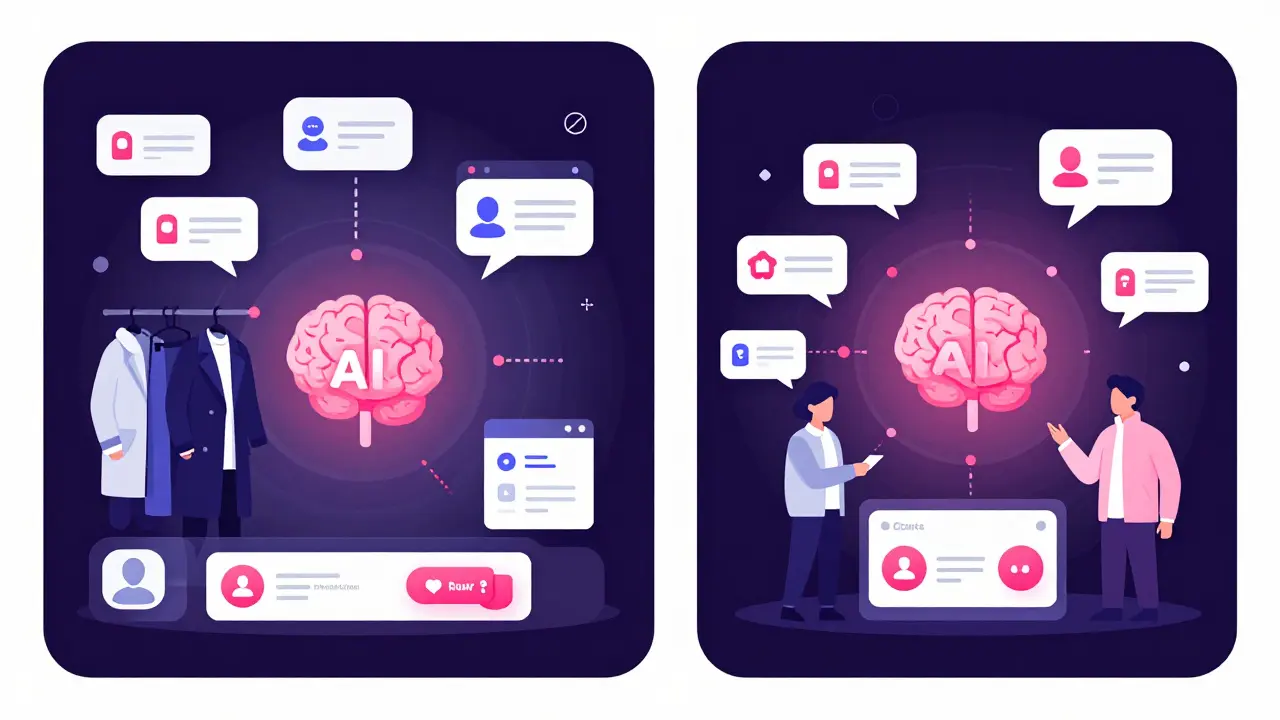
Artificial Intelligence (AI) is a branch of computer science dedicated to creating systems capable of performing tasks that typically require human intelligence. AI is the catalyst that has widened the gap between early adopters and laggards. In previous years, implementing new technology required hiring specialists, writing custom code, and extensive training. Today, AI lowers the barrier to entry.
For startups, AI allows a team of five to do the work of fifty. They use AI to write code, generate marketing copy, and analyze customer feedback. For agencies, AI automates repetitive tasks like resizing images for different devices or drafting email campaigns. For e-commerce, AI powers chatbots that handle customer service 24/7, reducing overhead costs significantly.
The key insight here is accessibility. Ten years ago, only Google and Amazon could afford to train large language models. Today, any small business can access powerful AI APIs via subscription. This democratization of technology means that adoption is no longer limited by budget alone. It is limited by willingness to experiment. Startups, agencies, and e-commerce brands are willing to experiment. Enterprises are not.
Practical Steps for Your Business
If you are looking to accelerate your own tech adoption, look to these three sectors for inspiration. Here is how you can apply their strategies:
- Start Small, Scale Fast: Like a startup, pick one problem and solve it with a new tool. Do not try to overhaul your entire IT infrastructure at once. Test a new project management tool or AI assistant in one team first.
- Measure Efficiency Gains: Like an agency, track how much time new tools save. If a tool saves 10 hours a week, calculate its ROI based on your hourly wage. Use this data to justify further investments.
- Leverage Data: Like e-commerce, use data to drive decisions. Implement tracking pixels, analytics dashboards, and customer feedback loops. Let the numbers tell you which technologies are working and which are not.
- Partner with Experts: If you are an enterprise, consider hiring agencies or consulting with startups. They bring fresh perspectives and proven workflows that can bypass internal bureaucracy.
Remember, technology is not a destination. It is a continuous journey. The companies that win in 2026 and beyond are not those with the biggest budgets, but those with the highest adaptability. They treat technology as a living, evolving asset rather than a static purchase.
Why do startups adopt technology faster than large corporations?
Startups lack legacy systems and bureaucratic hurdles. Their flat hierarchies allow for quick decision-making, and their need for rapid growth incentivizes immediate experimentation with new tools to gain a competitive edge.
How do digital agencies benefit from low-code platforms?
Low-code platforms enable agencies to build prototypes and deliver projects much faster. This increases their efficiency, allowing them to serve more clients with the same resources, thereby improving profit margins and client satisfaction.
What role does AI play in e-commerce adoption?
AI enables hyper-personalization, automated customer service, and dynamic pricing. E-commerce brands adopt these tools to increase conversion rates and reduce operational costs, leveraging real-time data to optimize the shopping experience.
Can small businesses compete with enterprises in tech adoption?
Yes, especially with the democratization of AI and cloud services. Small businesses can access powerful tools via subscriptions, allowing them to automate processes and enhance customer experiences without massive upfront investments.
What is the biggest barrier to tech adoption for large companies?
The primary barriers are legacy infrastructure, complex compliance requirements, and slow, consensus-driven decision-making processes. These factors make it difficult to integrate new technologies quickly and efficiently.