RIO World AI Hub

Continuous Security Testing for Large Language Model Platforms: How to Protect AI Systems from Real-Time Threats
Continuous security testing for LLM platforms is no longer optional-it's the only way to stop prompt injection, data leaks, and model manipulation in real time. Learn how it works, which tools to use, and how to implement it in 2026.
Read more
Inclusive Prompt Design for Diverse Users of Large Language Models
Inclusive prompt design makes AI work for everyone-not just fluent English speakers or tech-savvy users. Learn how adapting prompts for culture, ability, and language boosts accuracy, reduces frustration, and unlocks access for millions.
Read more
Building Without PHI: How Healthcare Vibe Coding Enables Safe, Fast Prototypes
Vibe coding lets healthcare teams build software prototypes without touching real patient data. Learn how AI-generated code, synthetic data, and PHI safeguards are accelerating innovation while keeping compliance intact.
Read more
How to Choose Batch Sizes to Minimize Cost per Token in LLM Serving
Learn how to choose batch sizes for LLM serving to cut cost per token by up to 80%. Real-world numbers, hardware tips, and proven strategies from companies like Scribd and First American.
Read more
How Prompt Templates Cut Costs and Waste in Large Language Model Usage
Prompt templates cut LLM waste by reducing token usage, energy consumption, and costs. Learn how structured prompts save money, improve efficiency, and help meet new AI regulations-all without changing your model.
Read more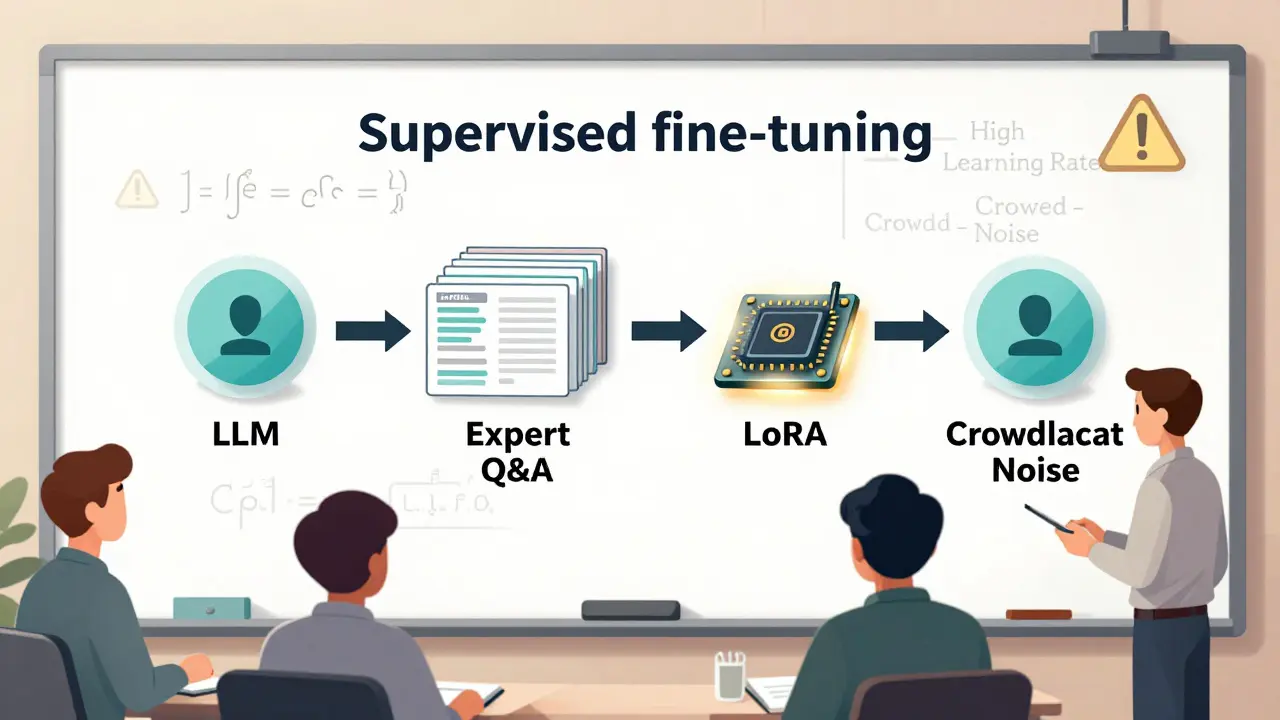
Supervised Fine-Tuning for Large Language Models: A Practical Guide for Teams
Supervised fine-tuning turns general LLMs into reliable, domain-specific assistants. Learn the practical steps, common pitfalls, and real-world results from teams that got it right - and those that didn’t.
Read more
Multimodal Vibe Coding: Turn Sketches Into Working Code with AI
Multimodal vibe coding lets you turn sketches and voice commands into working code using AI. Learn how it works, which tools to use in 2026, and why it's revolutionizing prototyping - but not replacing developers.
Read more
Guardrails for Medical and Legal LLMs: How to Prevent Harmful AI Outputs in High-Stakes Fields
Guardrails for medical and legal LLMs prevent harmful AI outputs by blocking inaccurate advice, protecting patient data, and stopping unauthorized legal guidance. These systems are now mandatory in regulated industries.
Read more
Governance Committees for Generative AI: Roles, RACI, and Cadence
Governance committees for generative AI ensure ethical, compliant, and safe AI use. Learn the essential roles, RACI structure, meeting cadence, and models that work-backed by real-world data from Fortune 500 companies.
Read more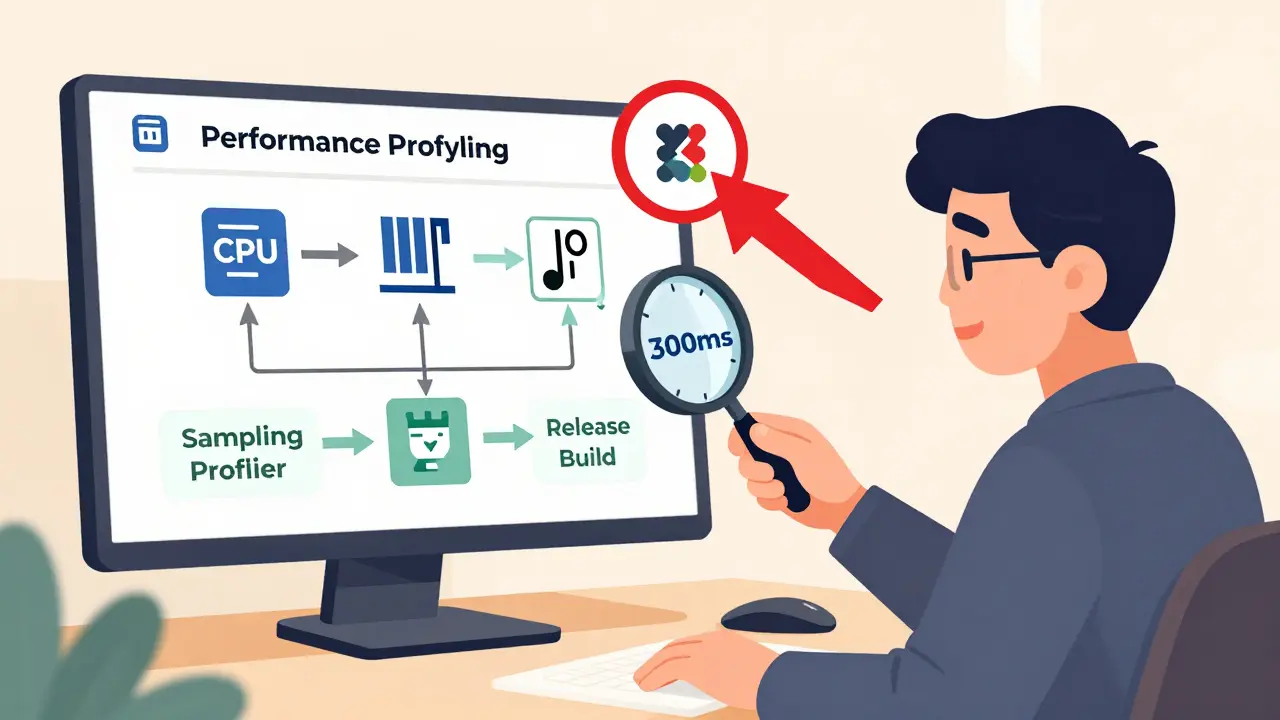
How to Prompt for Performance Profiling and Optimization Plans
Learn how to ask the right questions to uncover real performance bottlenecks in your software. Use profiling tools effectively, avoid common traps, and build optimization plans that actually improve speed without wasting time.
Read more
Standards for Generative AI Interoperability: APIs, Formats, and LLMOps
MCP is the new standard for generative AI interoperability, enabling seamless tool integration across vendors. Learn how APIs, formats, and LLMOps are converging to make enterprise AI scalable and compliant.
Read more
How to Prevent Sensitive Prompt and System Prompt Leakage in LLMs
System prompt leakage is a critical AI security flaw where attackers extract hidden instructions from LLMs. Learn how to prevent it with proven strategies like prompt separation, output filtering, and external guardrails - backed by 2025 research and real-world cases.
Read more