Archive: 2026/10 - Page 2

Hardware Constraints Limiting Large Language Model Scaling
Discover the physical hardware constraints limiting LLM scaling, from GPU memory bottlenecks and power demands to interconnect speeds. Learn why adding more GPUs doesn't always mean faster results.
Read more
Memory-Augmented Transformers: How External Stores Fix LLM Amnesia
Discover how Memory-Augmented Transformers solve LLM amnesia with external stores. Learn about Titans, MemGPT, and persistent knowledge architectures.
Read more
Unit Economics of LLM Features: Pricing by Task Type
Discover how LLM unit economics vary by task type. Learn to optimize costs using token asymmetry, reasoning models, and smart routing strategies for 2026.
Read more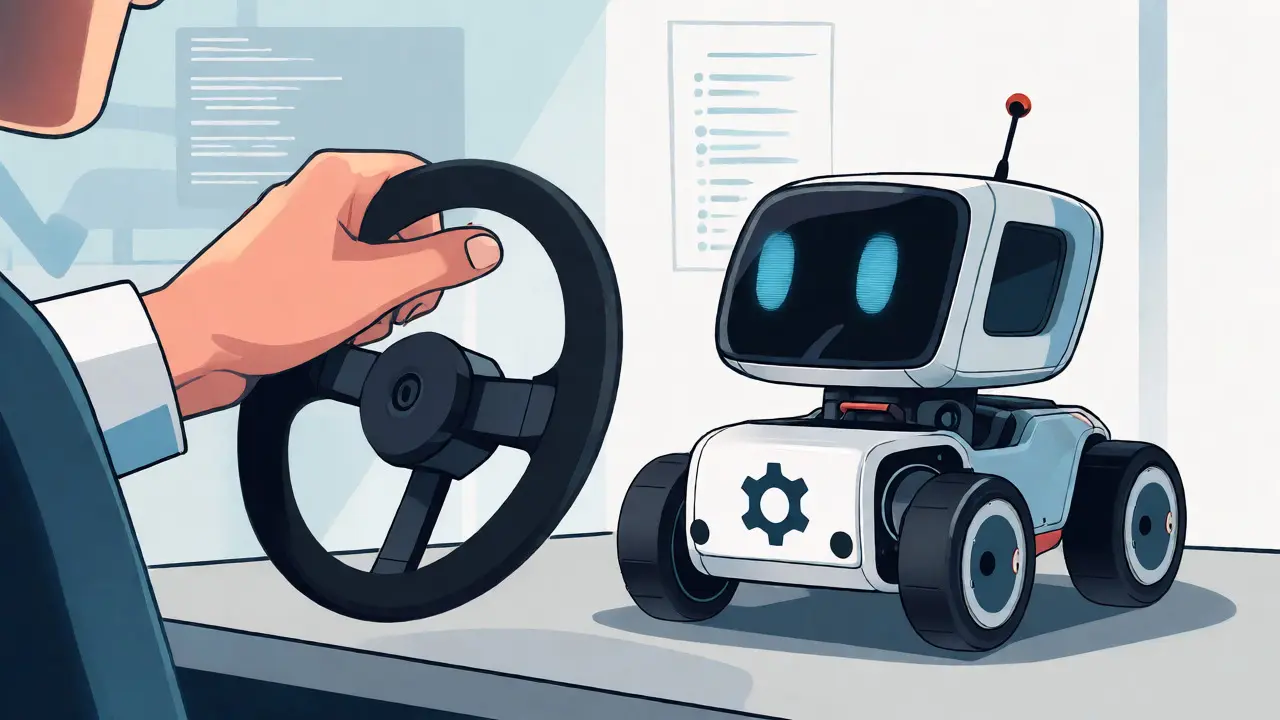
Levels of Autonomy in LLM Agents: From L1 to L4 Explained
Understand the L1 to L4 framework for LLM agent autonomy. Learn how control shifts from human operators to autonomous systems, and discover practical strategies for implementing higher levels of AI independence safely.
Read more
Low-Latency Models for Realtime Vibe Coding in the IDE
Discover how low-latency AI models enable realtime vibe coding in the IDE. Learn why sub-50ms response times boost developer flow, compare top tools like Cursor and Tabnine, and optimize your hardware for seamless AI-assisted development.
Read more
Toolformer-Style Self-Supervision: How LLMs Learn to Use Tools
Discover how Toolformer teaches LLMs to use tools via self-supervision. Learn why small models with APIs beat big ones, and explore its limits.
Read more
Data Privacy Pitfalls for Non-Technical Vibe Coders
Non-technical vibe coders face unique data privacy risks despite rapid development speeds. Learn how to avoid GDPR fines and security breaches.
Read more
Secure Branch Protection for Vibe-Coded Repositories: A Practical Guide
Vibe coding speeds up development but introduces unique security risks like hallucinated packages and missing headers. Learn how to configure branch protection rules to catch these issues before they hit production.
Read more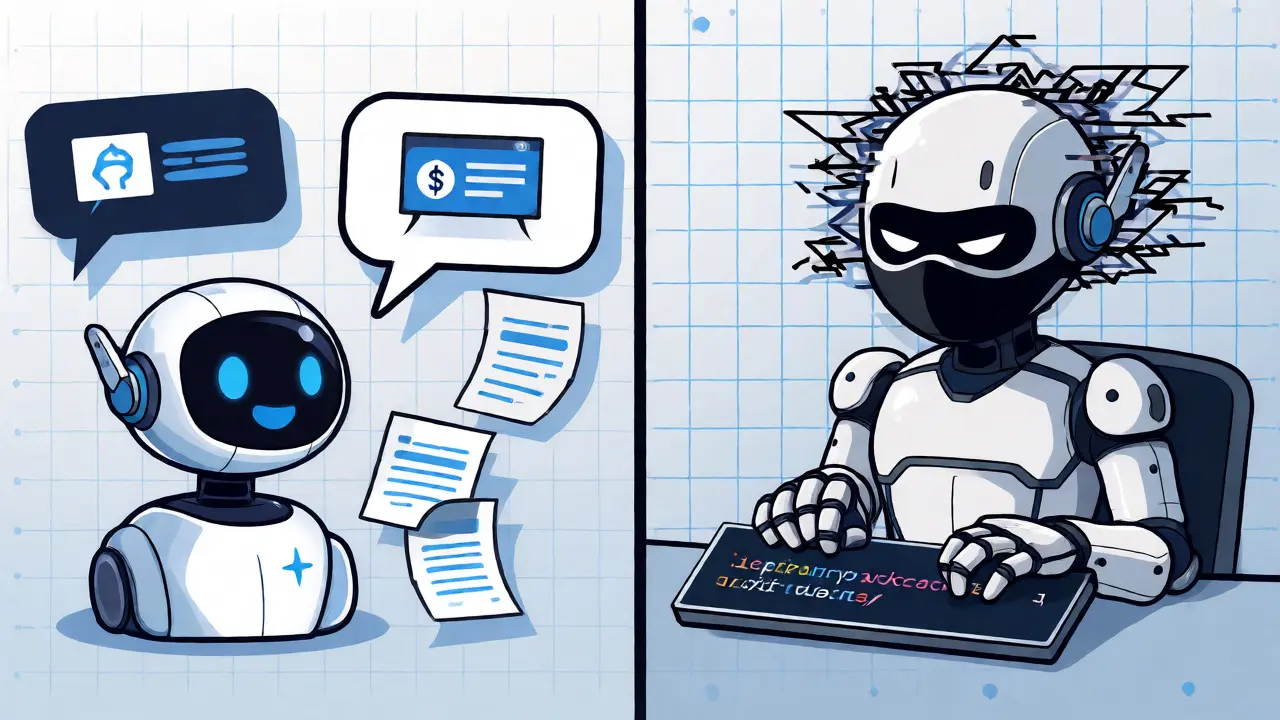
Incident Response for Generative AI: Handling Model Failures and Abuse
Learn how to handle Generative AI incidents, from model failures to prompt injection attacks. Discover specialized response workflows, containment strategies, and best practices for securing AI systems.
Read more