RIO World AI Hub - Page 3

Fine-Tuning Multimodal Generative AI: Dataset Design and Alignment Losses
Fine-tuning multimodal generative AI requires precise dataset design and alignment losses to link text, images, and other modalities. Learn how LoRA, QLoRA, and contrastive loss improve accuracy while avoiding bias and alignment drift.
Read more
Evaluation Protocols for Compressed Large Language Models: What Works, What Doesn’t
Traditional metrics like perplexity fail to catch hidden failures in compressed LLMs. Learn why modern evaluation protocols using LLM-KICK, EleutherAI LM Harness, and LLMCBench are now essential for reliable deployment.
Read more
Mathematical Reasoning Benchmarks for Next-Gen Large Language Models
Mathematical reasoning benchmarks reveal that even the most advanced LLMs struggle with true mathematical understanding. While models solve Olympiad problems, they fail under perturbation tests - exposing reliance on memorization over reasoning.
Read more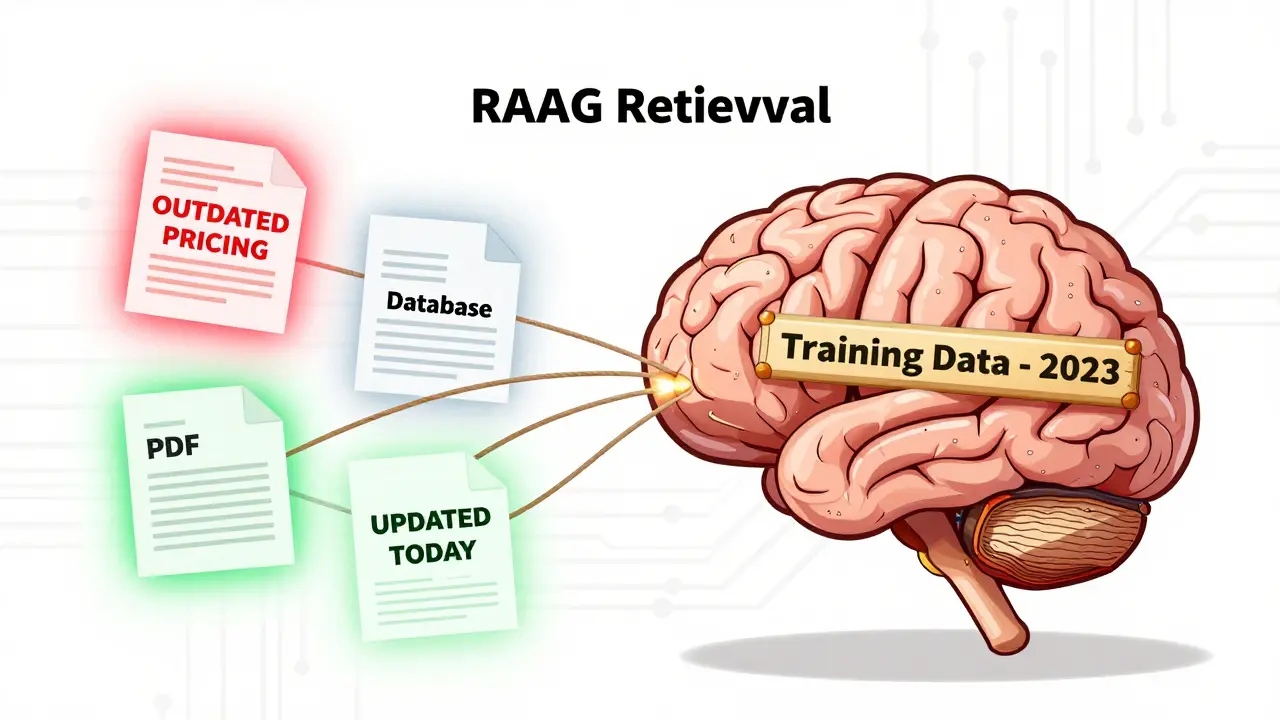
Document Freshness and Sync in RAG Systems: Keeping LLMs Up to Date
Keeping RAG systems accurate requires more than just an LLM-it demands real-time document sync. Learn how to prevent stale data from undermining your AI apps with practical strategies for freshness and synchronization.
Read more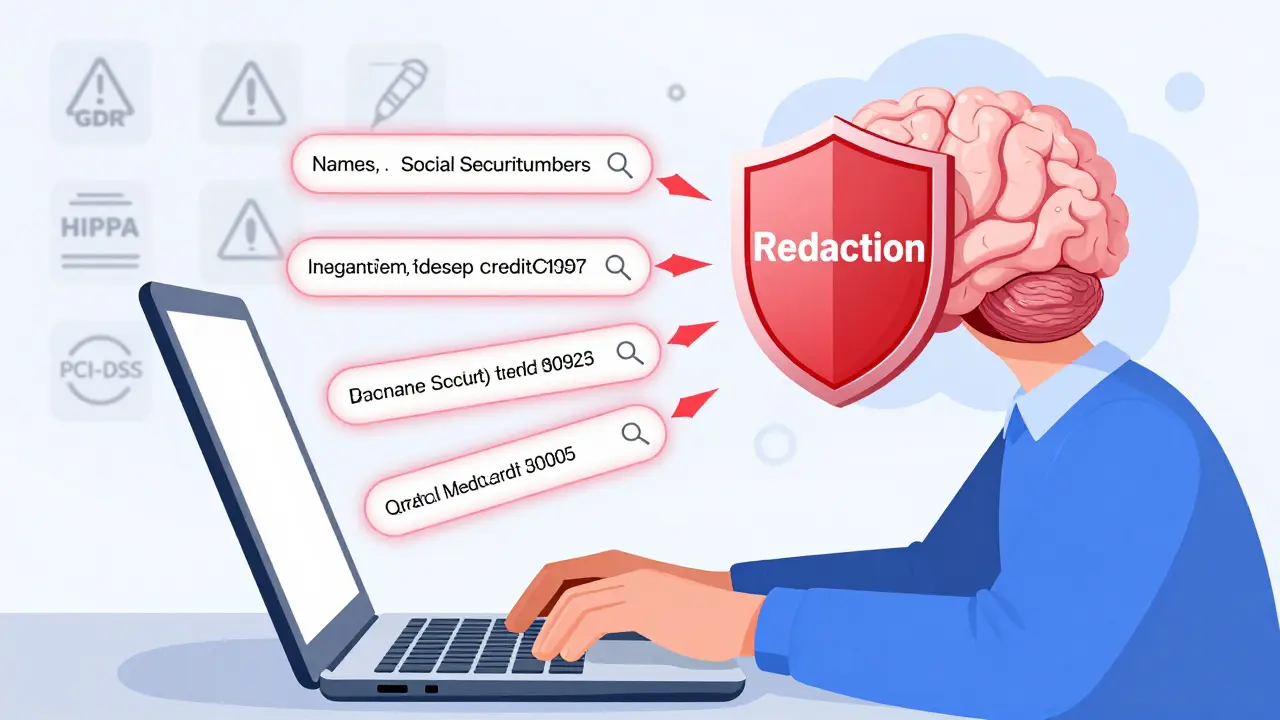
Data Privacy in Prompts: How to Redact Secrets and Regulated Information Before Using AI
Learn how to safely use AI by redacting personal and regulated data from prompts before sending them to large language models. Avoid compliance risks with practical steps and real tools.
Read more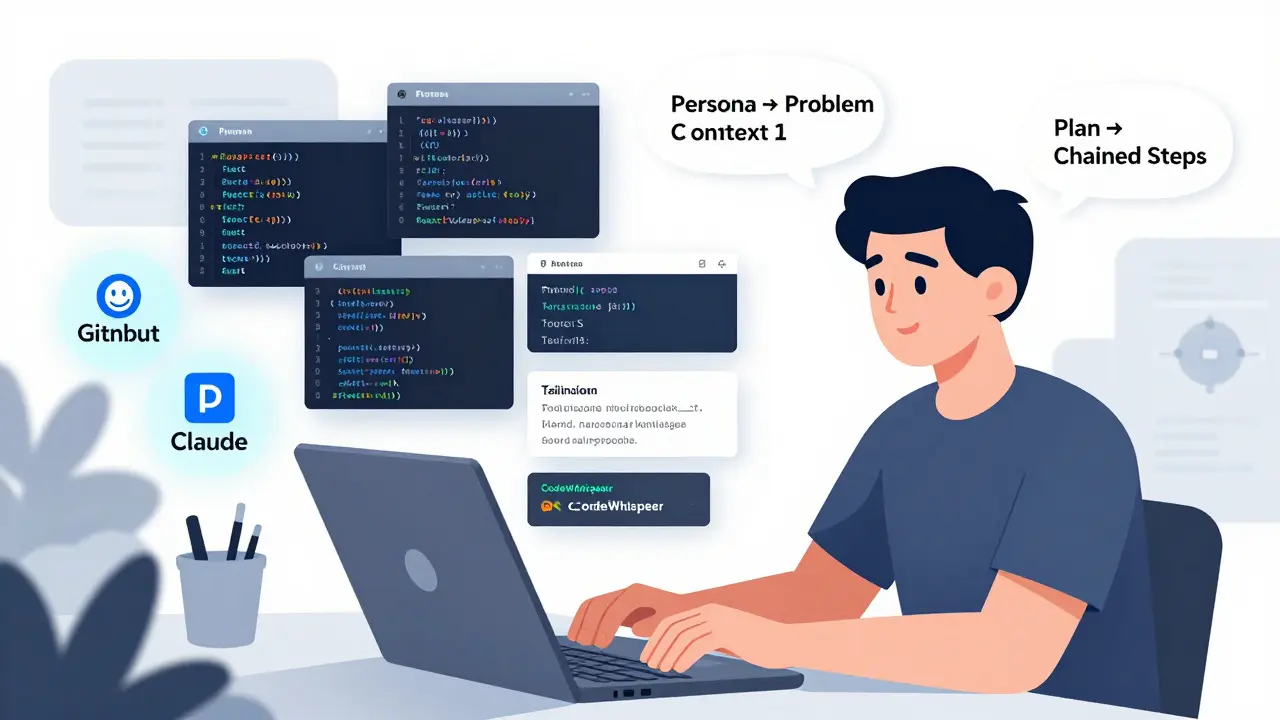
Prompting Strategies and Best Practices for Effective Vibe Coding
Vibe coding uses AI prompts to turn ideas into code fast-but only if you know how to prompt well. Learn the six-step method, common pitfalls, and how top teams turn prototypes into production-ready apps.
Read more
Employment Law and Generative AI: Monitoring, Productivity Tools, and Worker Rights in 2026
By 2026, AI in hiring, monitoring, and performance evaluation is tightly regulated. Employers must disclose AI use, test for bias, offer human reviews, and keep records-failing to comply risks heavy fines and lawsuits.
Read more
Cost per Action vs Cost per Token: Which LLM Pricing Model Fits Your Workflow?
Cost per token dominates LLM pricing today, but cost per action is emerging as a simpler, more predictable alternative. Learn which model fits your workflow-and how to cut your AI costs now.
Read more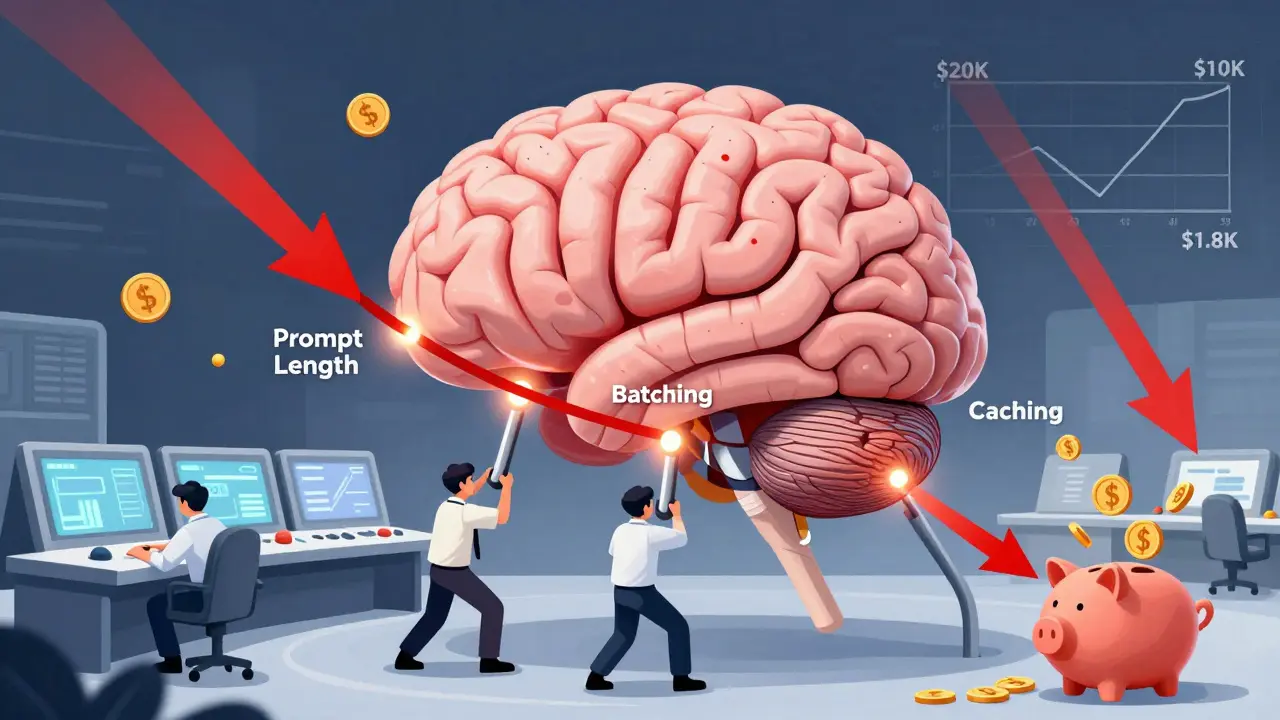
Optimization Levers for LLM Costs: Prompt Length, Batching, and Caching
Learn how prompt length, batching, and caching can slash LLM costs by up to 80% without sacrificing quality. Real-world examples from 2025 show how companies cut AI bills by focusing on usage patterns-not just hardware.
Read more
Checkpoint Averaging and EMA: Stabilizing Large Language Model Training
Checkpoint averaging and EMA stabilize large language model training by combining model snapshots to improve performance and reduce variance - delivering 1-2% gains with minimal overhead. Now standard for models over 1B parameters.
Read more
How to Prompt for Accuracy in Generative AI: Constraints, Quotes, and Extractive Answers
Learn how to use constraints, role prompts, and extractive techniques to reduce AI hallucinations and get accurate, reliable answers from generative AI tools. No fluff - just practical methods backed by real research.
Read more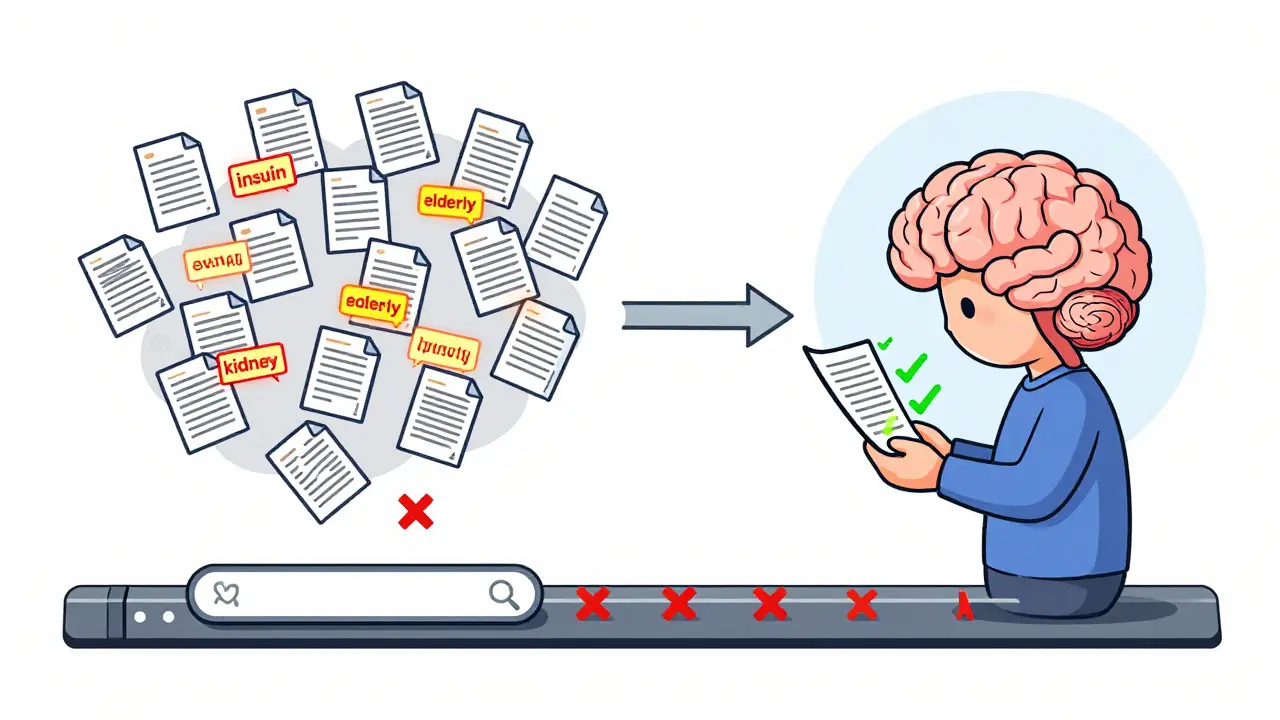
Document Re-Ranking to Improve RAG Relevance for Large Language Models
Document re-ranking improves RAG systems by filtering retrieved documents with deep semantic analysis, reducing hallucinations and boosting accuracy in large language model responses. It's essential for high-stakes applications like healthcare and legal AI.
Read more