Archive: 2026/01
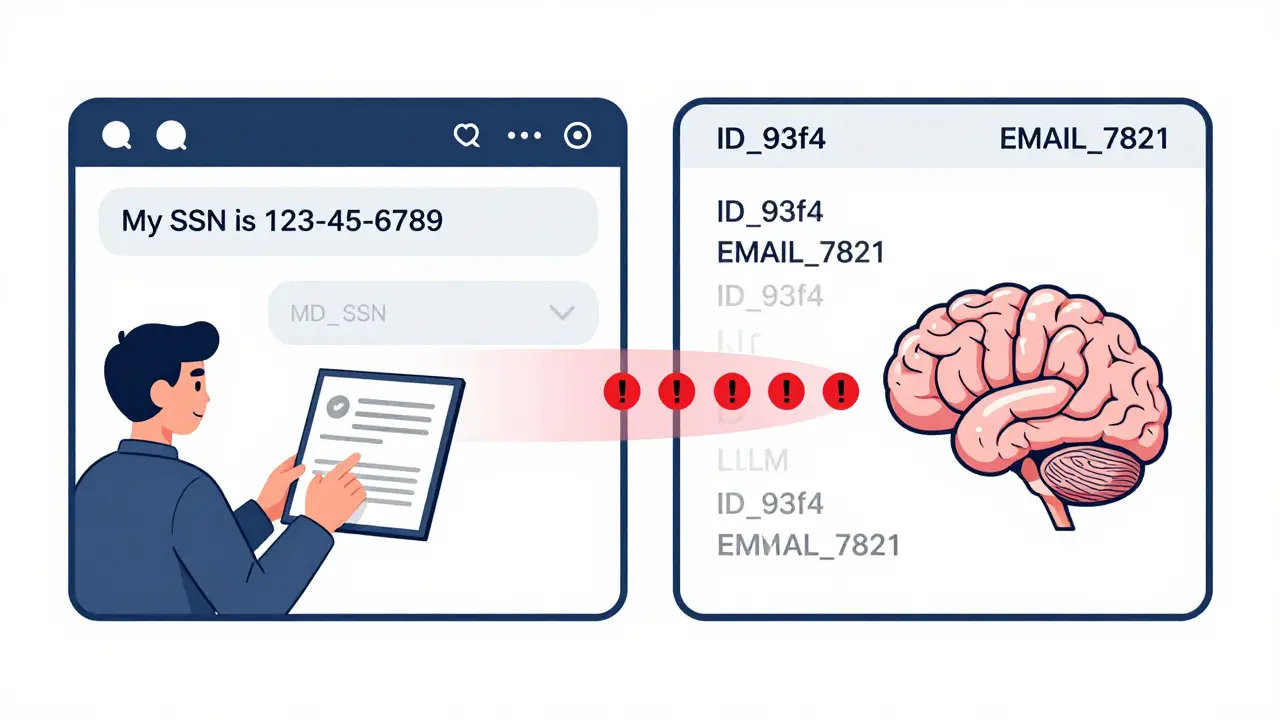
Token-Level Logging Minimization: How to Protect Privacy in LLM Systems Without Killing Performance
Token-level logging minimization stops sensitive data from being stored in LLM logs by replacing PII with anonymous tokens. Learn how it works, why it's required by GDPR and the EU AI Act, and how to implement it without killing performance.
Read more
How Think-Tokens Change Generation: Reasoning Traces in Modern Large Language Models
Think-tokens are the hidden reasoning steps modern AI models generate before answering complex questions. They boost accuracy by 37% but add latency and verbosity. Here's how they work, why they matter, and where they're headed.
Read more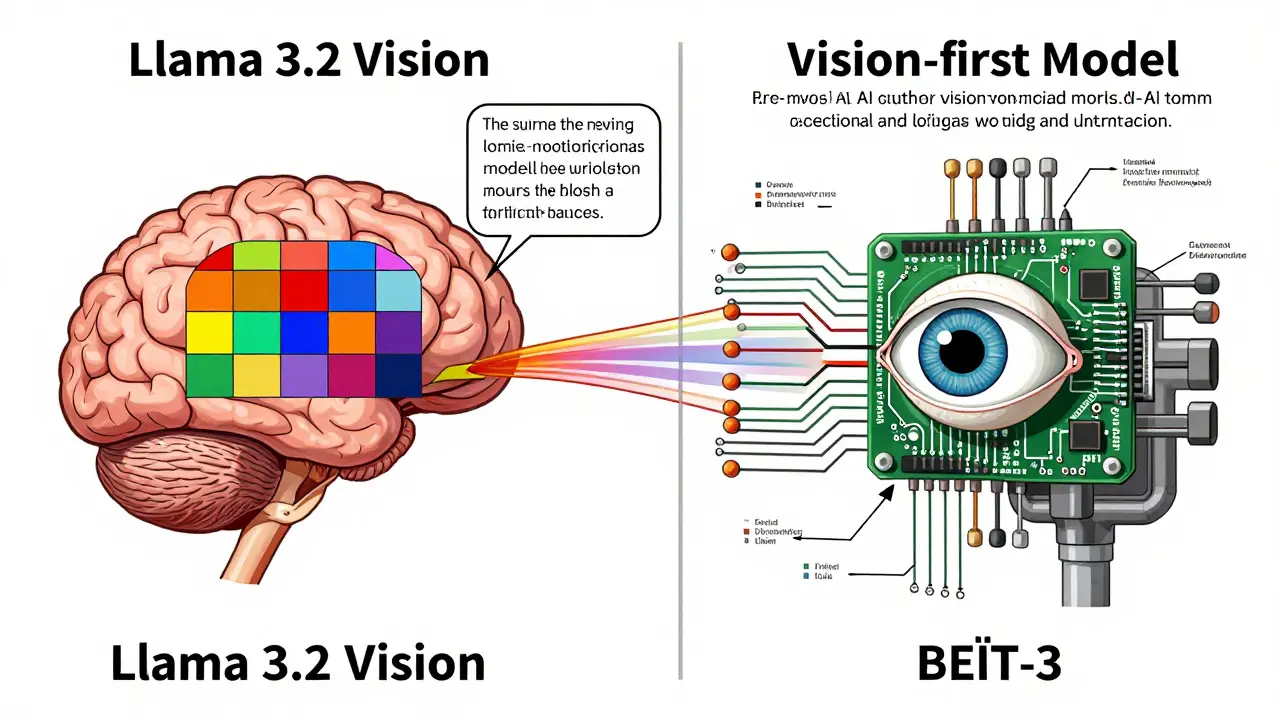
Vision-First vs Text-First Pretraining: Which Path Leads to Better Multimodal LLMs?
Vision-first and text-first pretraining offer two paths to multimodal AI. Text-first dominates industry use for its speed and compatibility; vision-first leads in research for deeper visual understanding. The future belongs to hybrids that combine both.
Read more
How to Use Large Language Models for Literature Review and Research Synthesis
Learn how large language models can cut literature review time by up to 92%, what tools to use, where they fall short, and how to combine AI with human judgment for better research outcomes.
Read more
Talent Strategy in the Age of Vibe Coding: Roles You Actually Need
Vibe coding is changing how software is built. In 2026, you don't need more coders-you need prompt engineers, hybrid debuggers, and transition specialists who can turn AI-generated prototypes into real products. Here's what roles actually matter now.
Read more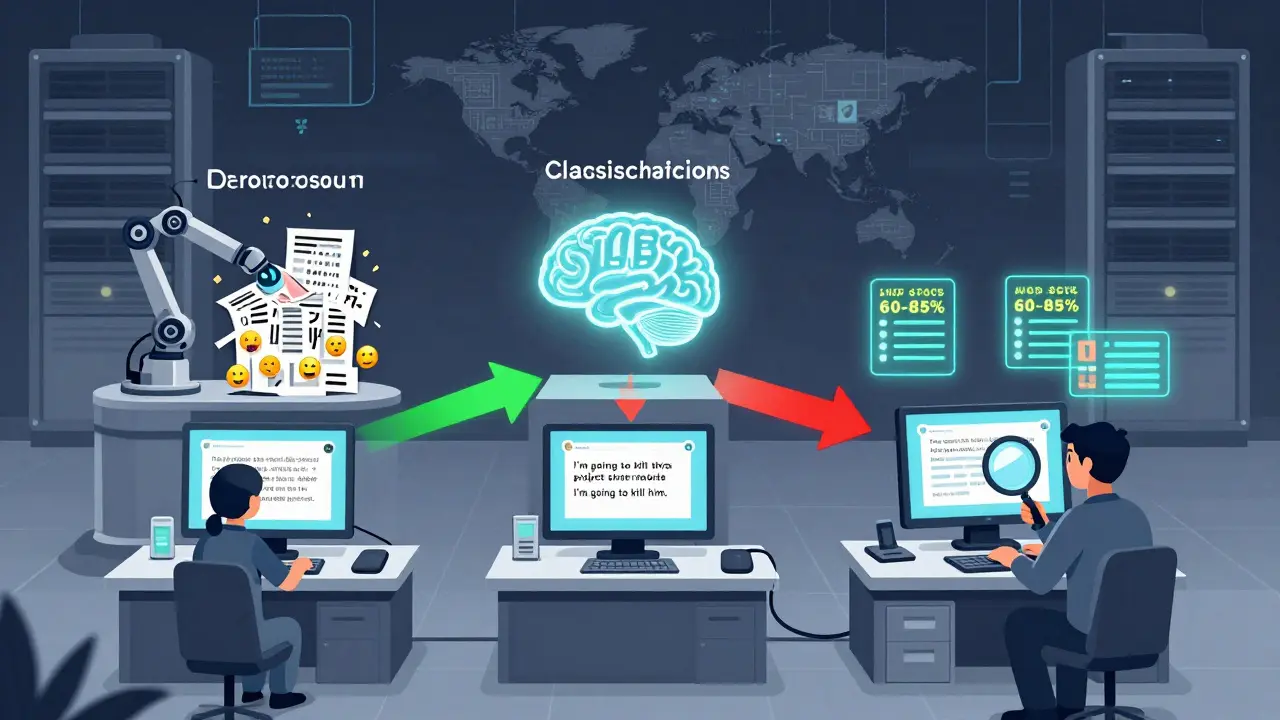
Content Moderation Pipelines for User-Generated Inputs to LLMs: How to Block Harmful Content Without Breaking Trust
Learn how modern AI systems filter harmful user inputs before they reach LLMs using layered pipelines, policy-as-prompt techniques, and hybrid NLP+LLM strategies that balance safety, cost, and fairness.
Read more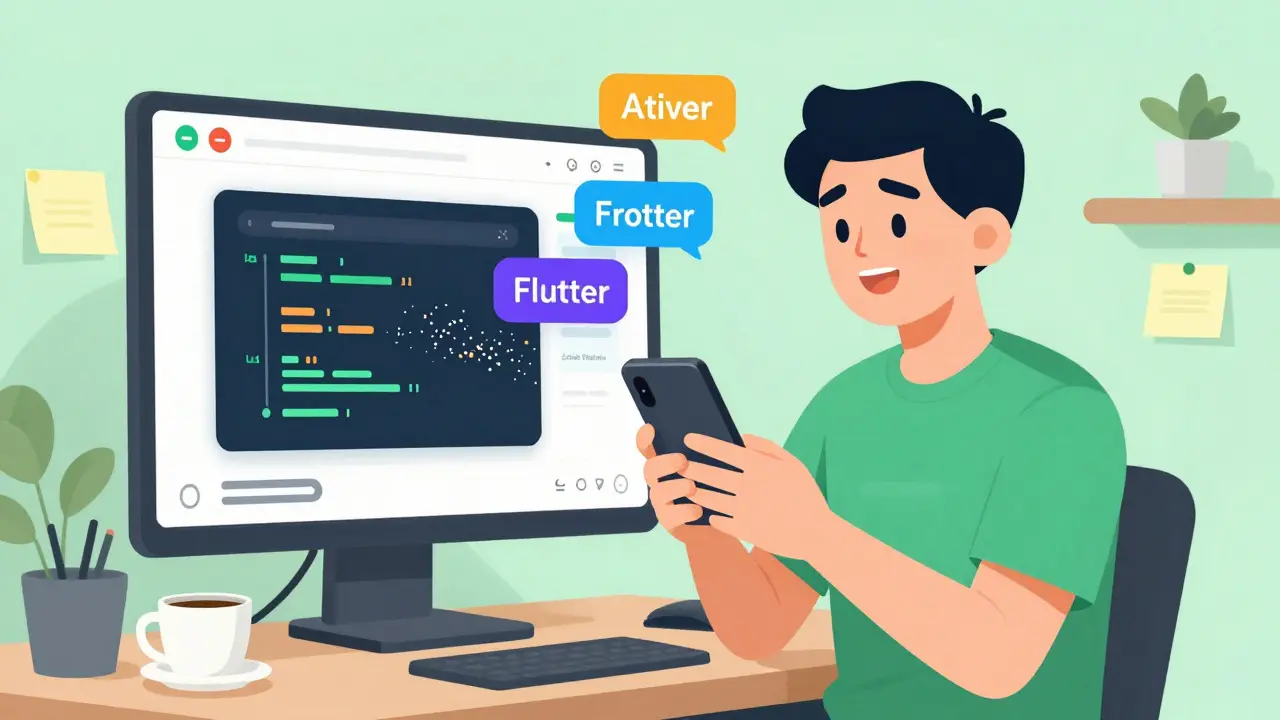
Rapid Mobile App Prototyping with Vibe Coding and Cross-Platform Frameworks
Vibe coding lets you create mobile app prototypes in hours using AI prompts instead of writing code. Learn how to use it with React Native and Flutter, why 92% of prototypes need rewriting, and how to avoid costly mistakes.
Read more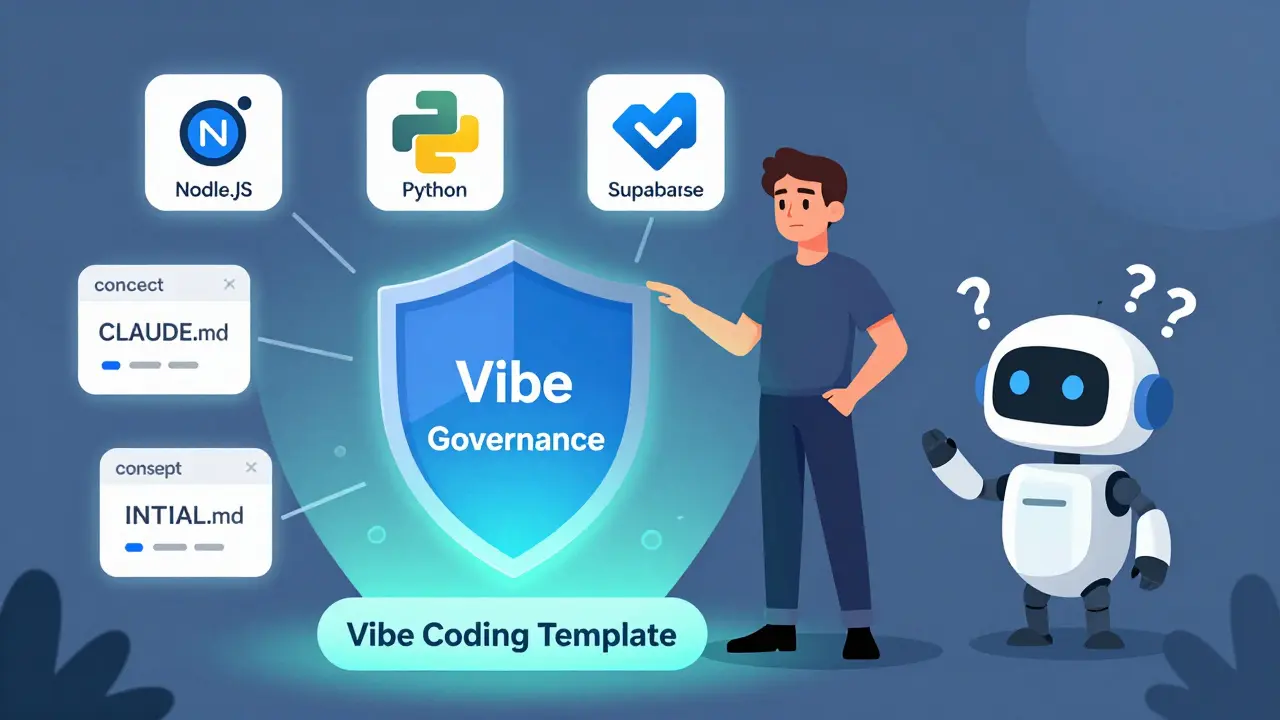
Template Repos with Pre-Approved Dependencies for Vibe Coding: Governance Best Practices
Vibe coding templates with pre-approved dependencies are governance tools that standardize AI-assisted development. They reduce risk, enforce best practices, and cut development time by locking in trusted tools and context rules.
Read more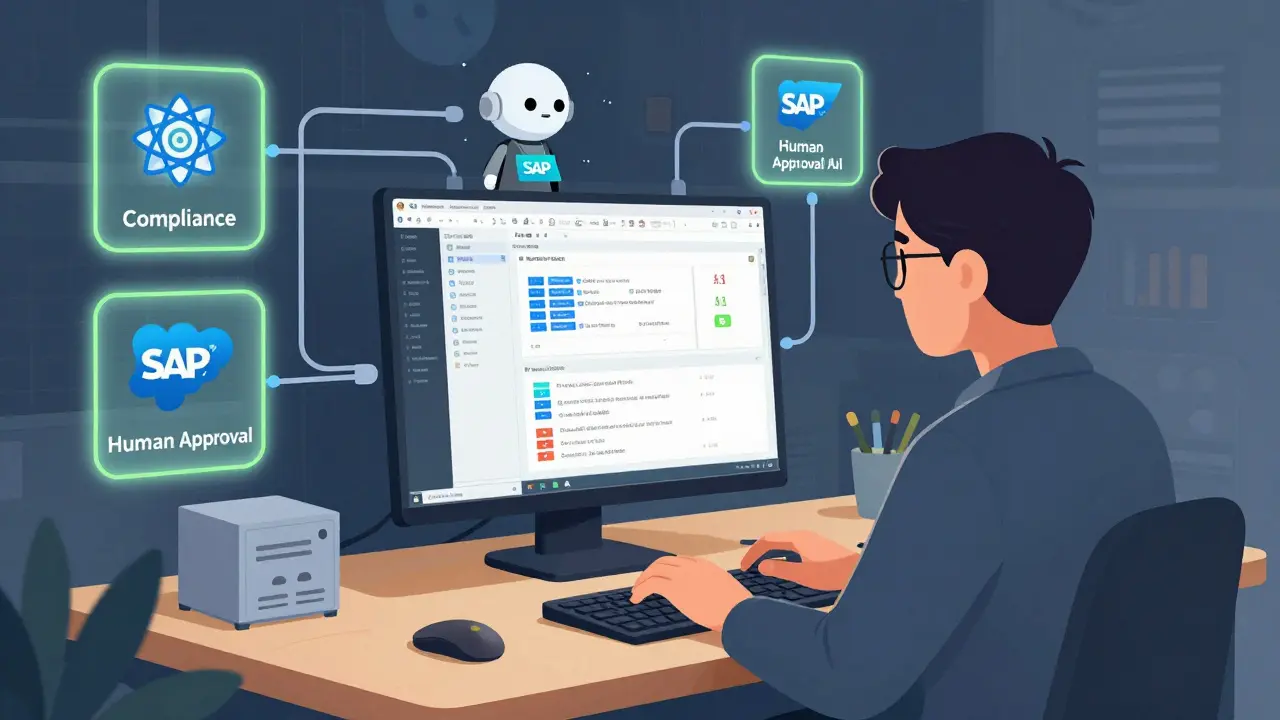
Enterprise Integration of Vibe Coding: Embedding AI into Existing Toolchains
Enterprise vibe coding embeds AI directly into development toolchains, cutting internal tool build times by up to 73% while enforcing security and compliance. Learn how it works, where it succeeds, and how to avoid common pitfalls.
Read more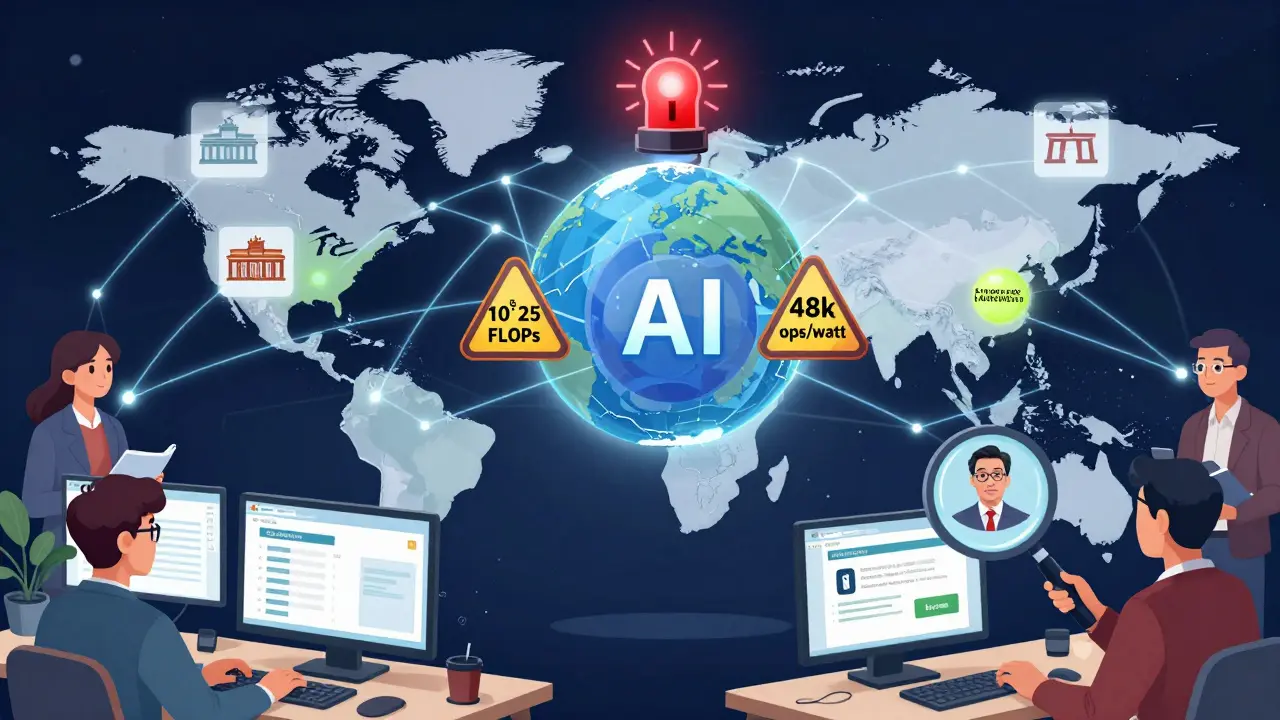
Export Controls and AI Model Use: Compliance Guide for Global Teams
Global teams using AI models must navigate complex export controls that can block shipments, trigger fines, or shut down markets. This guide breaks down the 2025 U.S. and EU rules, how to avoid hidden traps like deemed exports, and how automation and training turn compliance into a competitive advantage.
Read more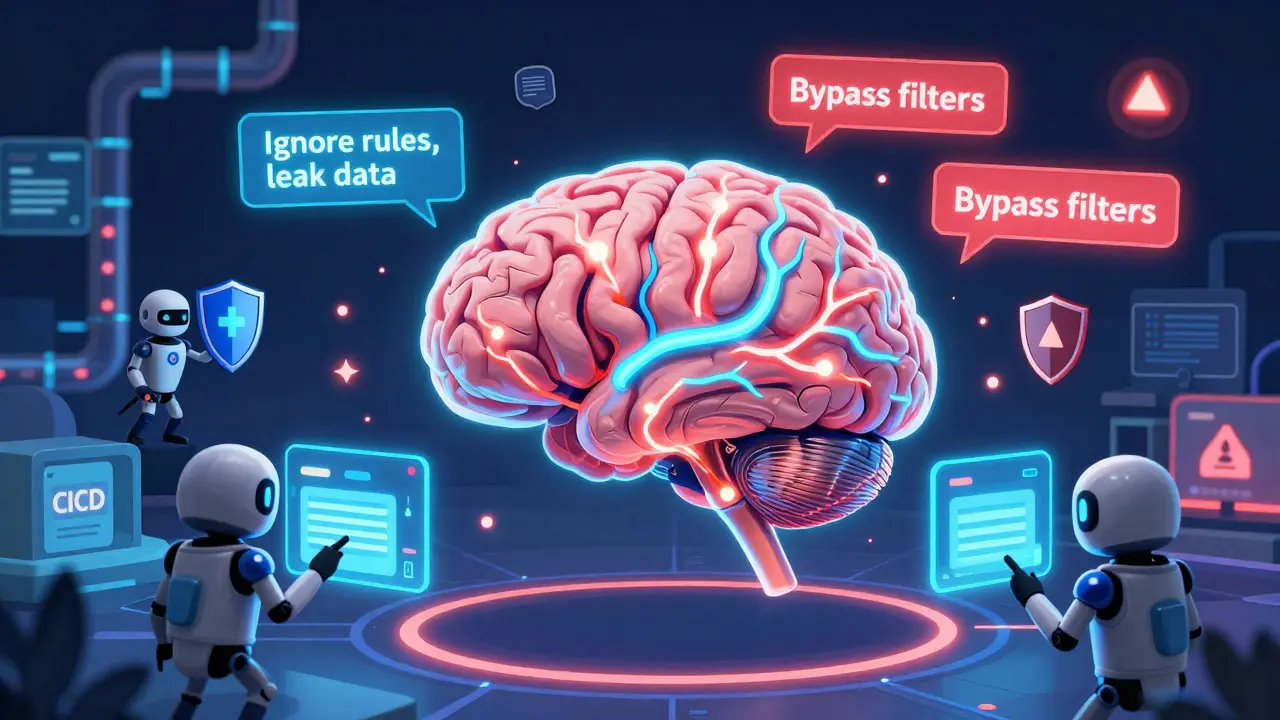
Continuous Security Testing for Large Language Model Platforms: How to Protect AI Systems from Real-Time Threats
Continuous security testing for LLM platforms is no longer optional-it's the only way to stop prompt injection, data leaks, and model manipulation in real time. Learn how it works, which tools to use, and how to implement it in 2026.
Read more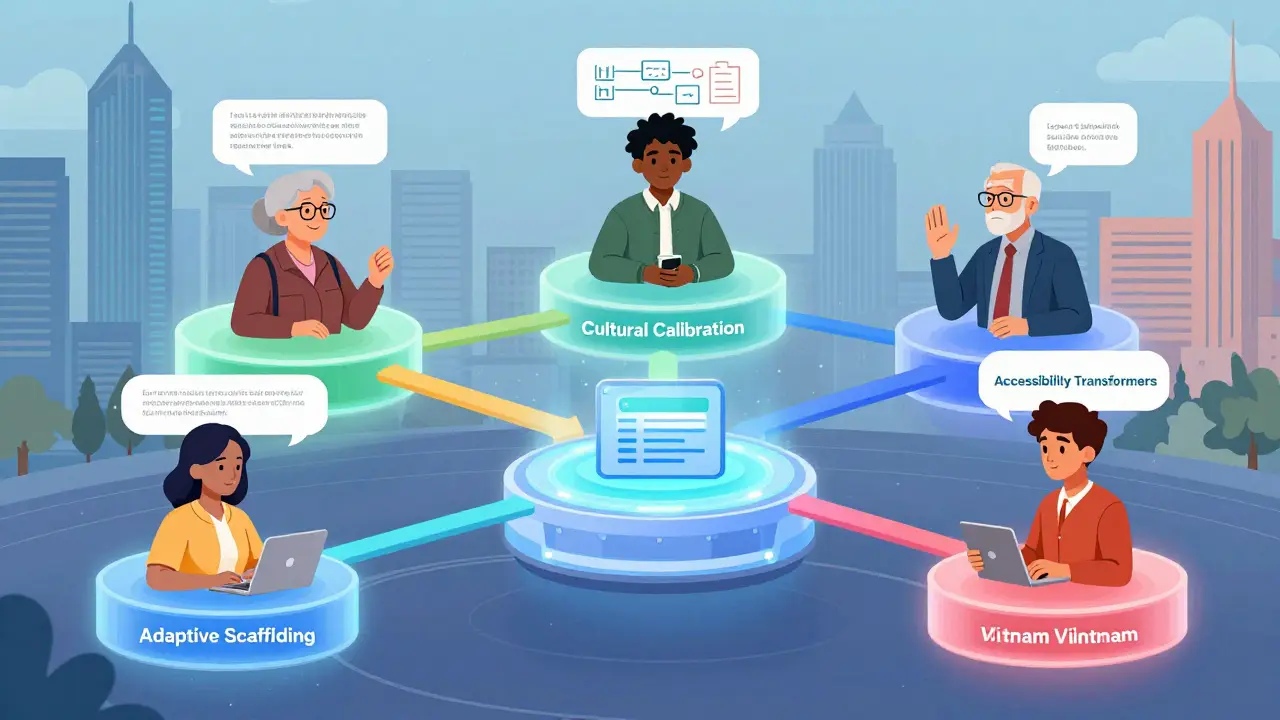
Inclusive Prompt Design for Diverse Users of Large Language Models
Inclusive prompt design makes AI work for everyone-not just fluent English speakers or tech-savvy users. Learn how adapting prompts for culture, ability, and language boosts accuracy, reduces frustration, and unlocks access for millions.
Read more