Category: AI Strategy & Governance - Page 2
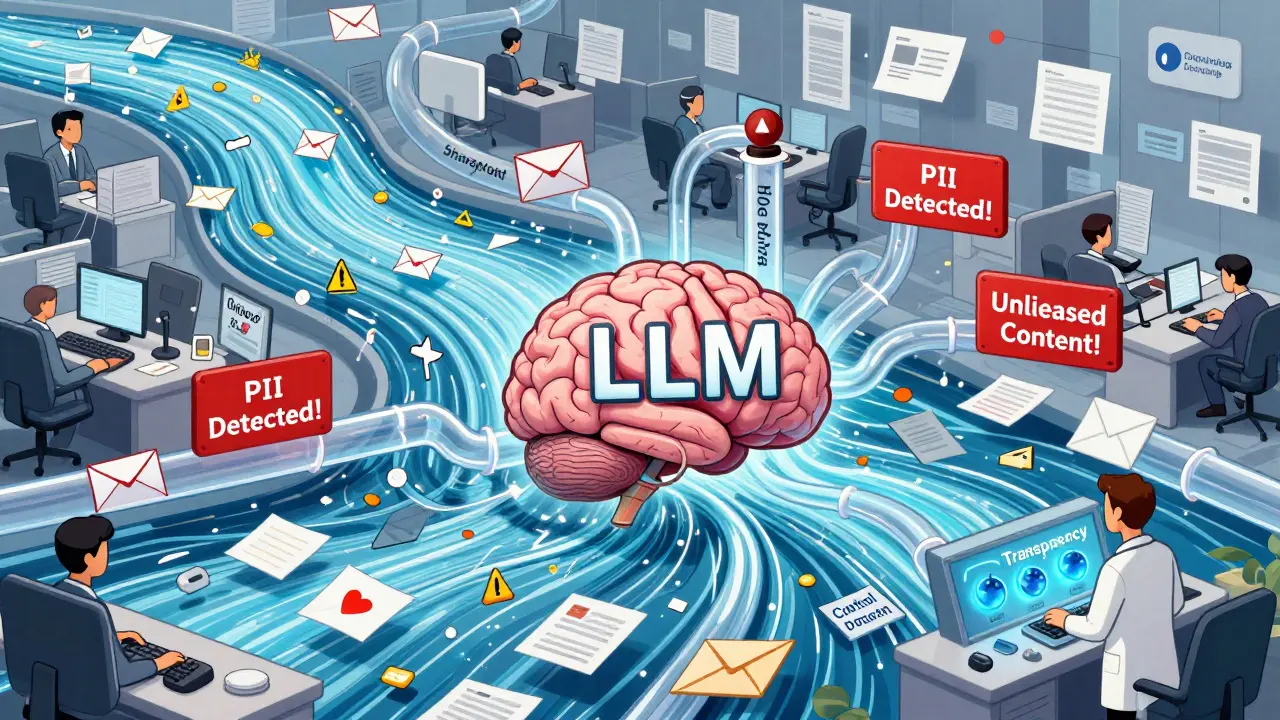
Enterprise Data Governance for Large Language Model Deployments
Enterprise data governance for LLMs ensures responsible AI use by controlling training data, enforcing compliance, and monitoring outputs. Without it, companies risk legal penalties, biased outcomes, and lost trust.
Read more
Safety Use Cases for Large Language Models in Regulated Industries
Large language models are transforming safety compliance in regulated industries by turning unstructured text into actionable insights. From construction sites to nuclear plants, they help teams interpret regulations faster and prevent accidents-without compromising security or accuracy.
Read more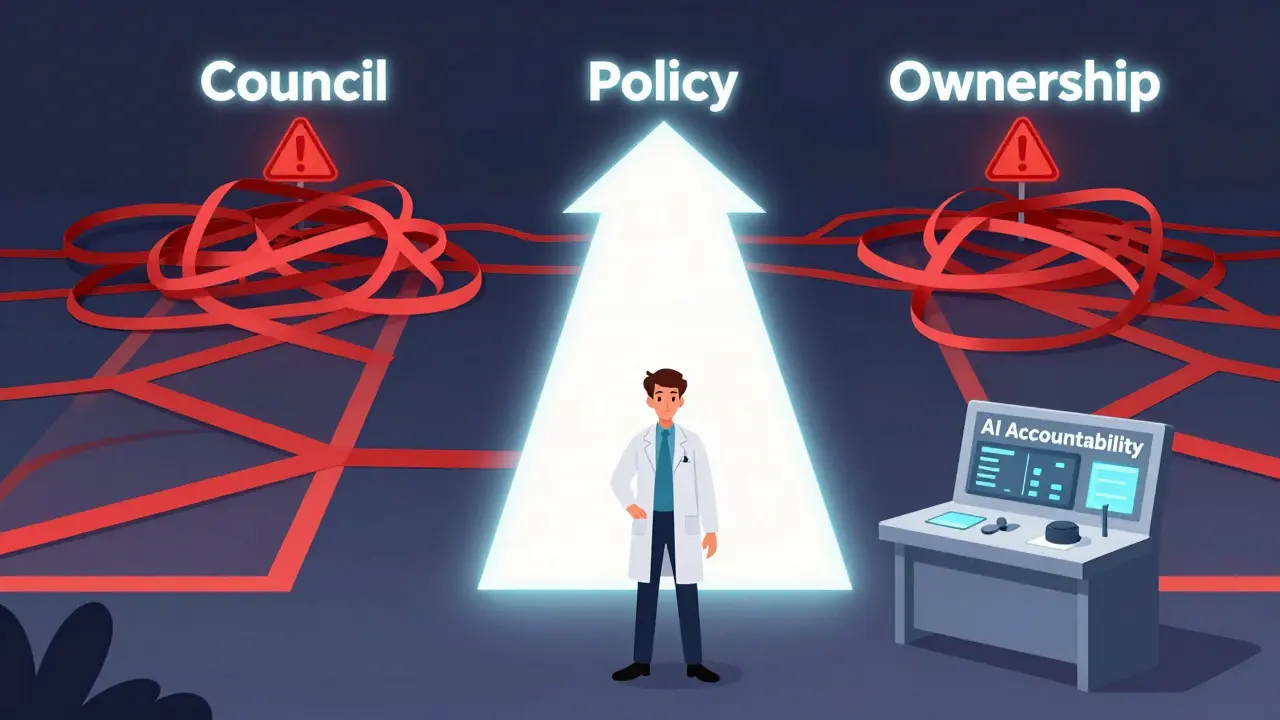
Governance Models for Generative AI: Councils, Policies, and Accountability
Generative AI governance is no longer optional. Councils, policies, and accountability models shape how organizations deploy AI responsibly. Learn what works, what doesn’t, and how to build a system that enables innovation-not blocks it.
Read more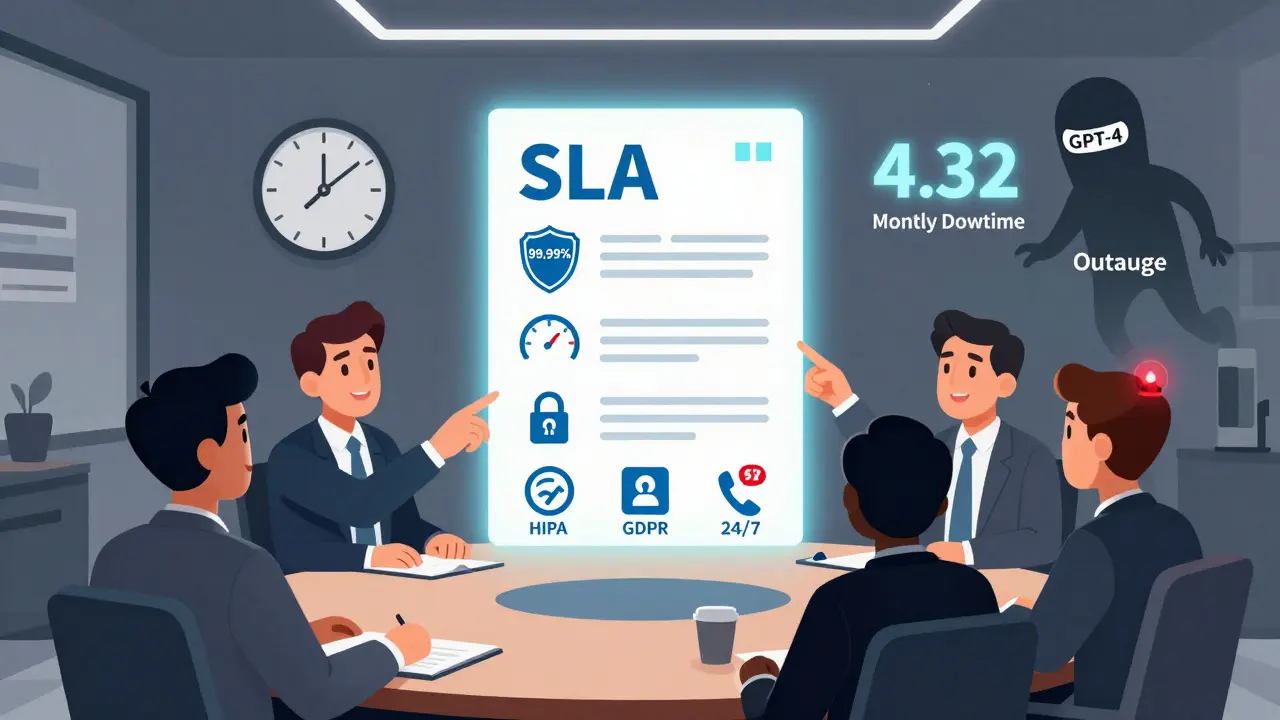
SLAs and Support: What Enterprises Really Need from LLM Providers in 2026
Enterprises need more than fast AI-they need enforceable guarantees. In 2026, SLAs for LLM providers must cover uptime, latency, compliance, support, and model versioning. Here's what actually matters when choosing a vendor.
Read more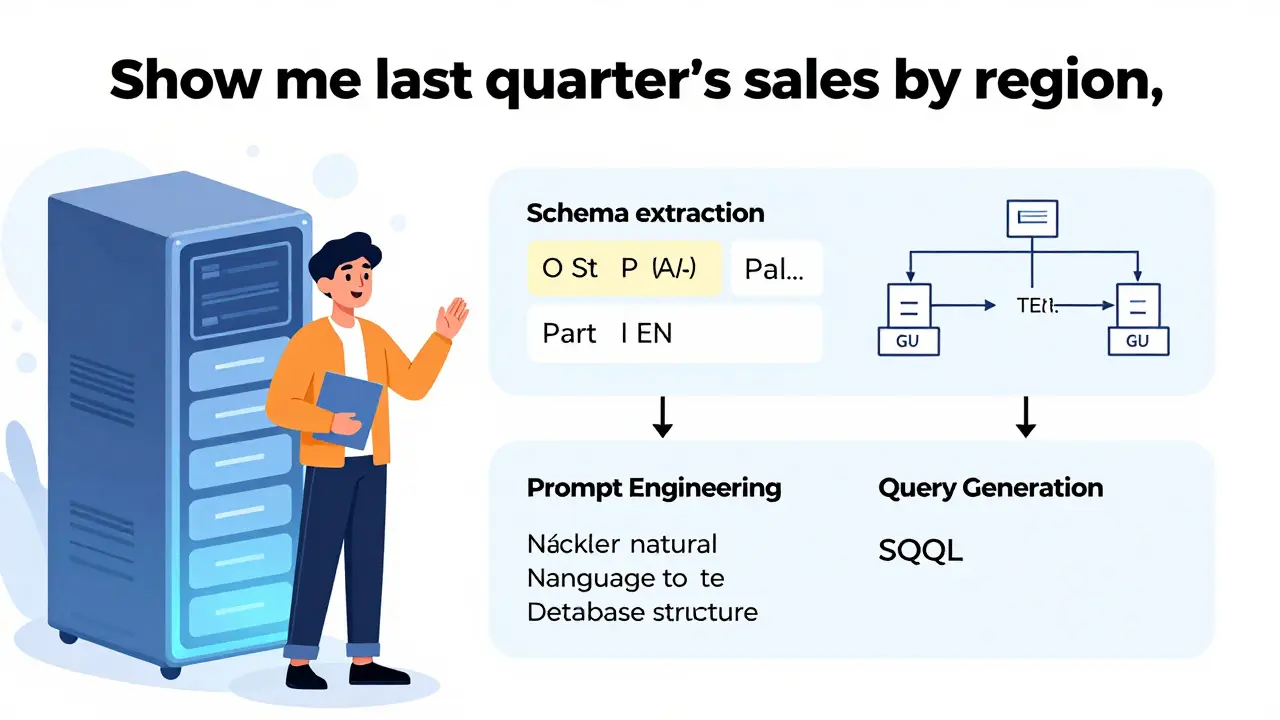
Natural Language to Schema: How to Prompt Databases and ER Diagrams for Accurate Queries
Natural Language to Schema lets non-technical users query databases using plain English. Learn how it works, where it succeeds, where it fails, and how ER diagrams play a critical role in making AI-generated queries accurate and safe.
Read more
Fine-Tuning Multimodal Generative AI: Dataset Design and Alignment Losses
Fine-tuning multimodal generative AI requires precise dataset design and alignment losses to link text, images, and other modalities. Learn how LoRA, QLoRA, and contrastive loss improve accuracy while avoiding bias and alignment drift.
Read more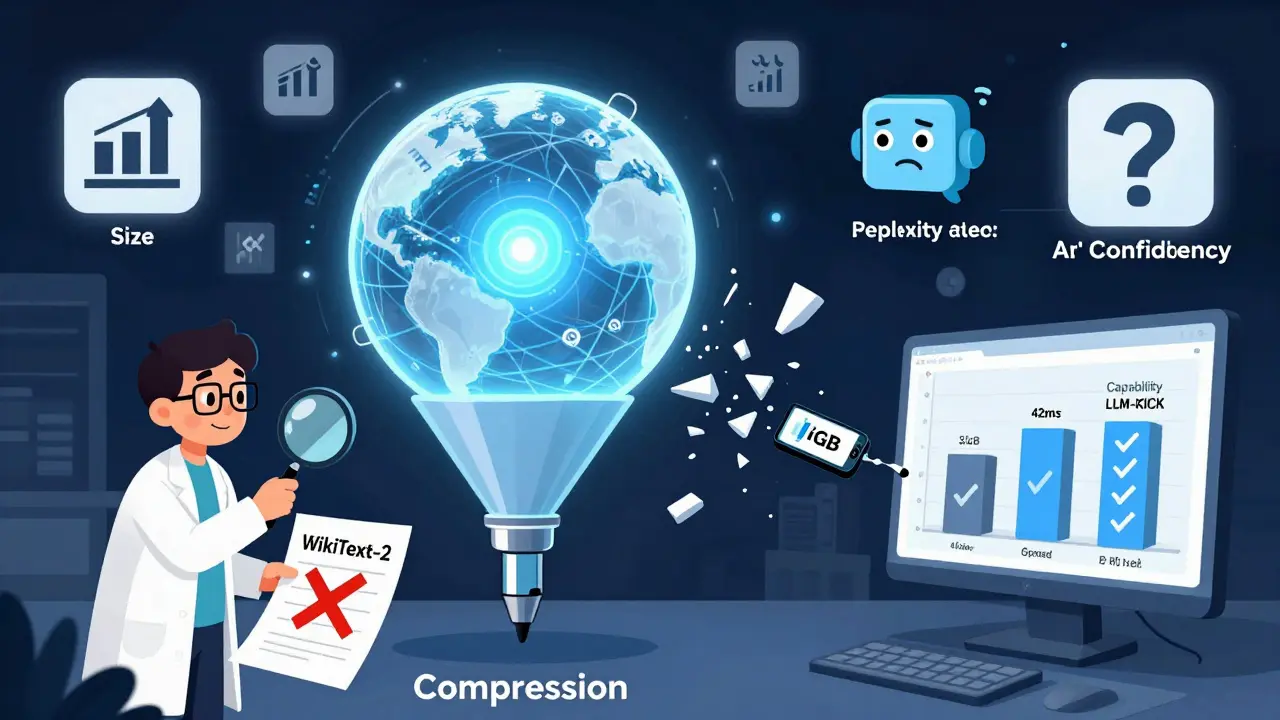
Evaluation Protocols for Compressed Large Language Models: What Works, What Doesn’t
Traditional metrics like perplexity fail to catch hidden failures in compressed LLMs. Learn why modern evaluation protocols using LLM-KICK, EleutherAI LM Harness, and LLMCBench are now essential for reliable deployment.
Read more
Mathematical Reasoning Benchmarks for Next-Gen Large Language Models
Mathematical reasoning benchmarks reveal that even the most advanced LLMs struggle with true mathematical understanding. While models solve Olympiad problems, they fail under perturbation tests - exposing reliance on memorization over reasoning.
Read more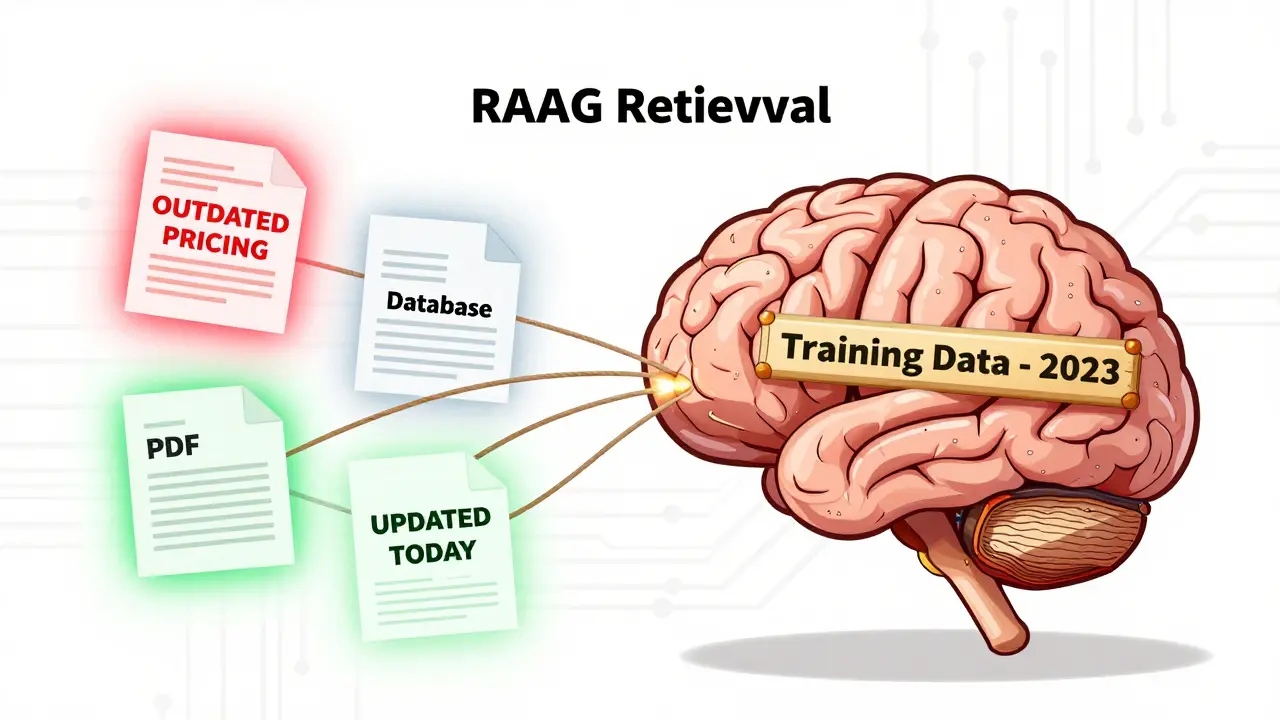
Document Freshness and Sync in RAG Systems: Keeping LLMs Up to Date
Keeping RAG systems accurate requires more than just an LLM-it demands real-time document sync. Learn how to prevent stale data from undermining your AI apps with practical strategies for freshness and synchronization.
Read more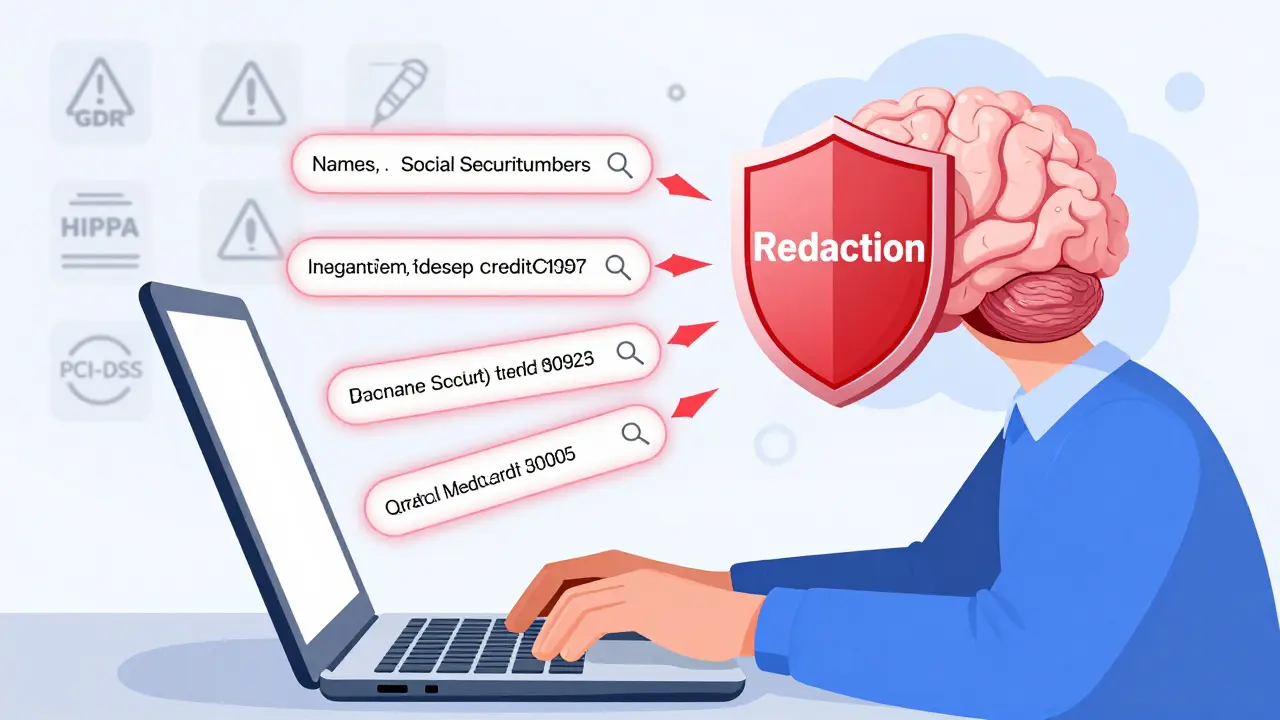
Data Privacy in Prompts: How to Redact Secrets and Regulated Information Before Using AI
Learn how to safely use AI by redacting personal and regulated data from prompts before sending them to large language models. Avoid compliance risks with practical steps and real tools.
Read more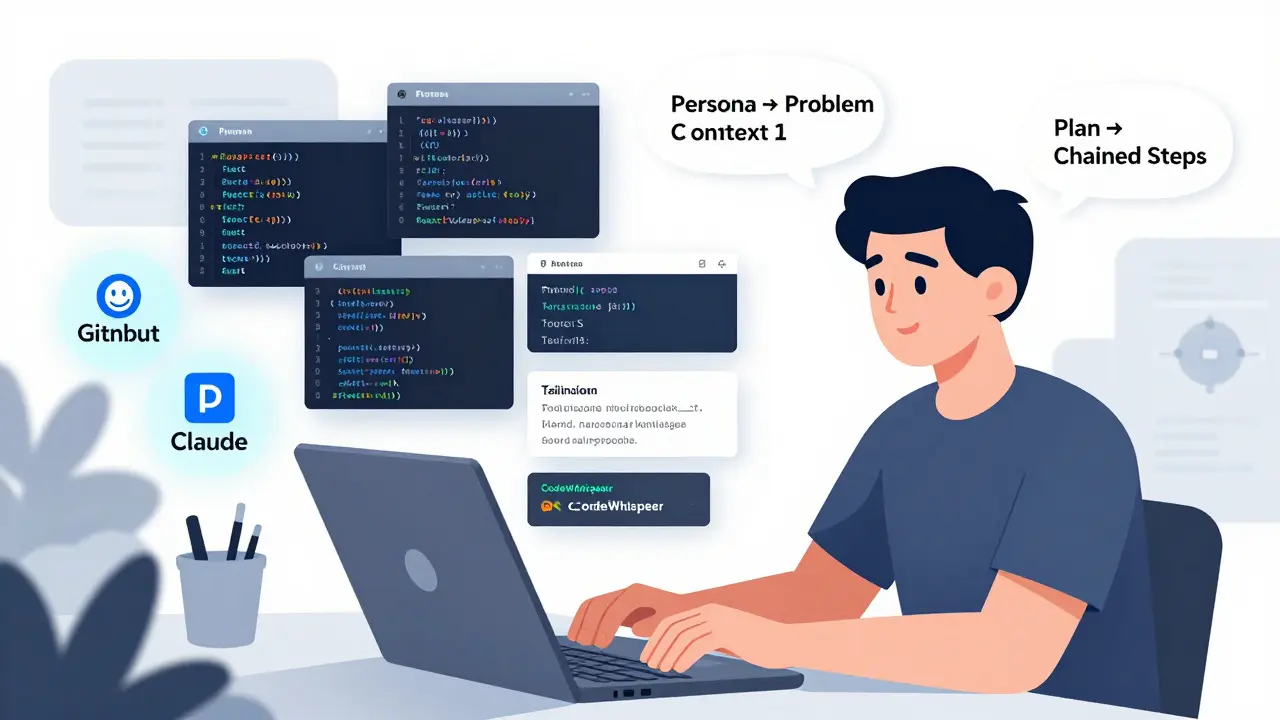
Prompting Strategies and Best Practices for Effective Vibe Coding
Vibe coding uses AI prompts to turn ideas into code fast-but only if you know how to prompt well. Learn the six-step method, common pitfalls, and how top teams turn prototypes into production-ready apps.
Read more
Employment Law and Generative AI: Monitoring, Productivity Tools, and Worker Rights in 2026
By 2026, AI in hiring, monitoring, and performance evaluation is tightly regulated. Employers must disclose AI use, test for bias, offer human reviews, and keep records-failing to comply risks heavy fines and lawsuits.
Read more