Category: AI Strategy & Governance

Synthetic Workforce with Generative AI: How Digital Employees Are Changing Business
Explore the rise of the synthetic workforce. Learn how digital employees and AI orchestration are redefining business operations and human-AI collaboration in 2026.
Read more
Change Management for Vibe Coding: Training, Tools, and Incentives
A guide on implementing change management for vibe coding adoption in 2026. Covers training curricula, tool selection, and incentive structures required for organizational success.
Read more
EU AI Act 2026 Guide: Generative AI Risk Classes, Obligations & Compliance Deadlines
Understand the critical deadlines and obligations of the EU AI Act for generative AI as of 2026. Learn how risk classes, fines, and transparency rules affect your business.
Read more
Generative AI for Software Development: Real Productivity Gains and Risks
Explore the real productivity impacts of AI coding assistants. Analyze security risks, compare tools like GitHub Copilot, and learn how to implement generative AI safely in 2026.
Read more
EU AI Act Compliance Guide: Risk Classes and Generative AI Obligations
Navigating the EU AI Act is essential for any business using AI. This guide explains the risk classifications, specific obligations for generative AI, and critical deadlines approaching in 2026.
Read more
Task Decomposition Strategies for Planning in Large Language Model Agents
Learn how task decomposition improves LLM agent planning with frameworks like ACONIC and LangChain. Includes benchmarks and implementation tips.
Read more
Education and Tutoring with Large Language Models: Personalized Learning Paths
Large language models are transforming education by creating personalized learning paths that adapt to each student’s needs. Used wisely, they free teachers to focus on what matters most: guiding, inspiring, and supporting learners.
Read more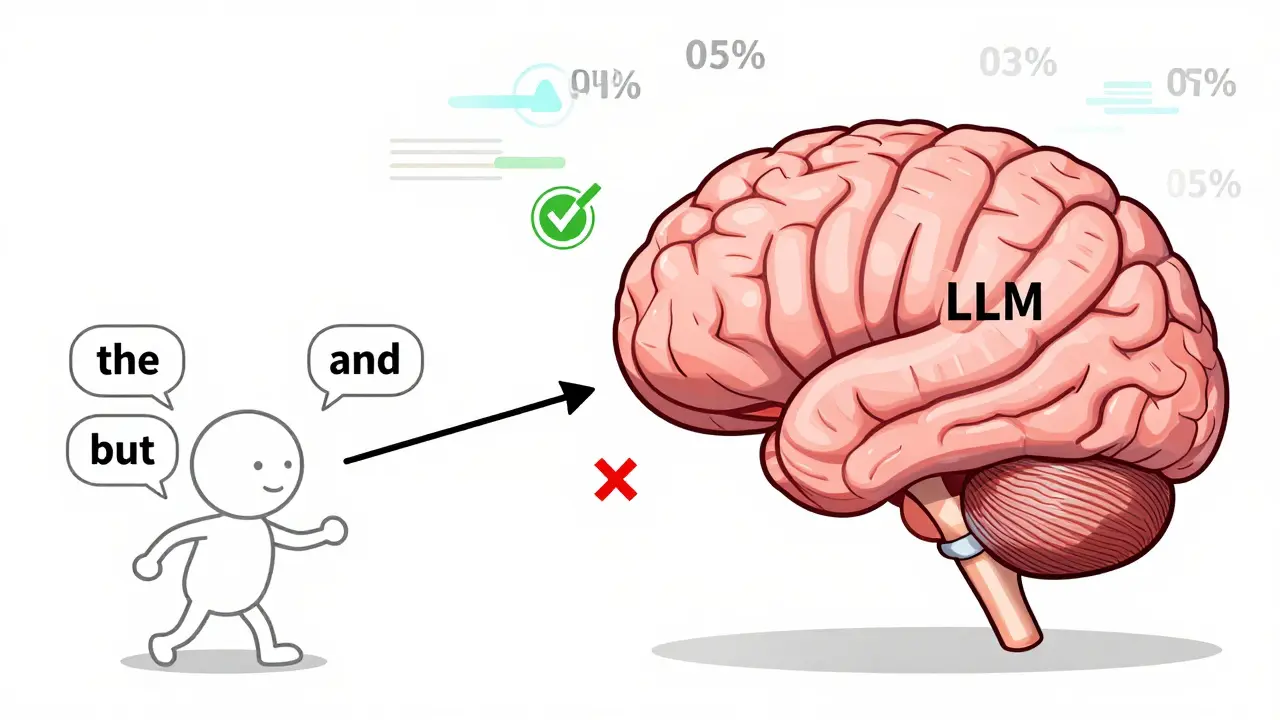
Speculative Decoding with Compressed Draft Models for LLMs: Faster Inference Without Losing Quality
Speculative decoding with compressed draft models cuts LLM inference time by up to 3x by letting a small model predict tokens ahead, while the large model verifies them in parallel. No quality loss-just faster responses.
Read more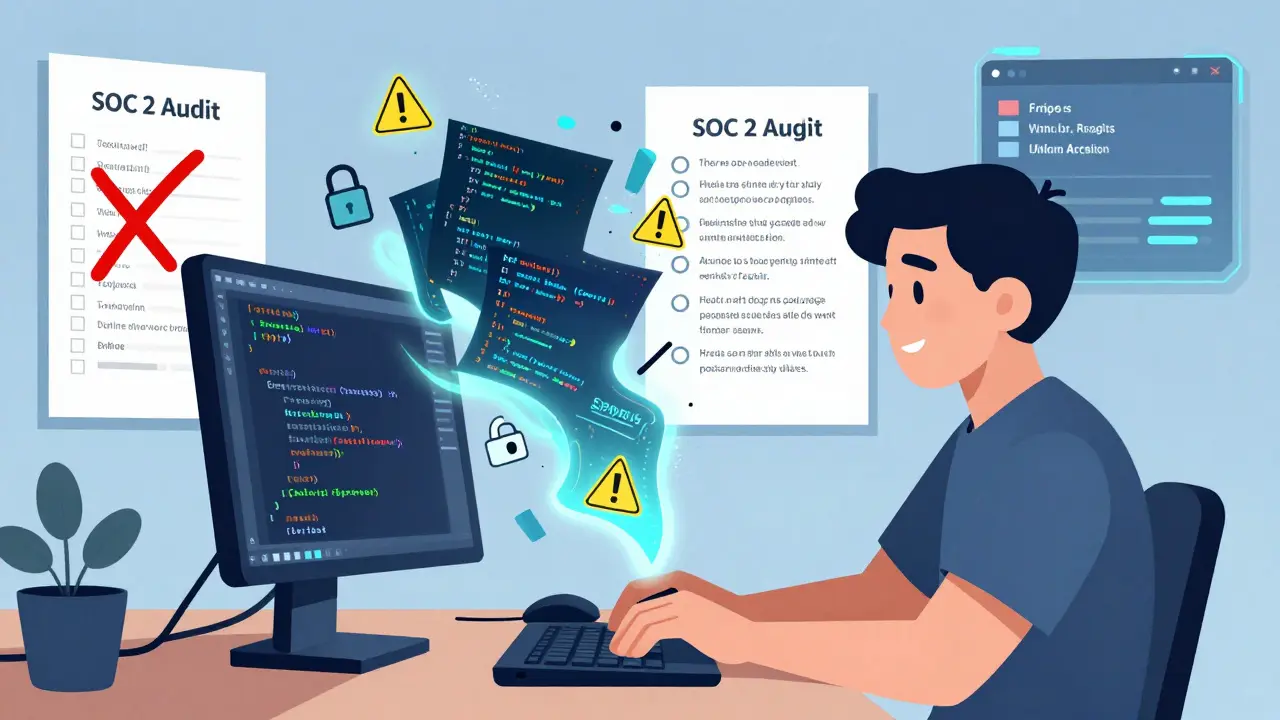
Compliance Controls for Vibe-Coded Systems: SOC 2, ISO 27001, and More
Vibe coding with AI tools like GitHub Copilot is changing software development - but traditional compliance standards like SOC 2 and ISO 27001 aren’t equipped to handle it. Learn how to build controls that track AI-generated code, enforce prompt safety, and pass audits without slowing down your team.
Read more
Feedforward Networks in Transformers: Why Two Layers Boost Large Language Models
The two-layer feedforward network in transformers isn't just a default - it's the key to why large language models work so well. Here's why it outperforms simpler or deeper alternatives, and why it's still the industry standard in 2026.
Read more
California AI Transparency Act: How Generative AI Detection Tools and Content Labels Work
California's AI Transparency Act (AB 853) requires major platforms to provide free AI detection tools and preserve provenance data in multimedia content. Learn how it works, its limits, and why accuracy and metadata matter.
Read more
Evaluating Reasoning Models: Think Tokens, Steps, and Accuracy Tradeoffs
Reasoning models improve accuracy on complex tasks but at a steep cost in tokens and money. Learn when they work, when they fail, and how to cut costs without losing performance.
Read more