Category: AI Technology - Page 6

LoRA vs Adapters: Practical Guide to Parameter-Efficient Fine-Tuning of LLMs
Learn how LoRA and Adapters enable efficient LLM fine-tuning. Compare performance, memory usage, and deployment strategies for parameter-efficient methods.
Read more
Versioning Contracts in Vibe-Coded APIs: Preventing Breaking Changes
Learn how to prevent breaking changes in AI-generated APIs by enforcing semantic versioning, OpenAPI contracts, and structured deprecation policies.
Read more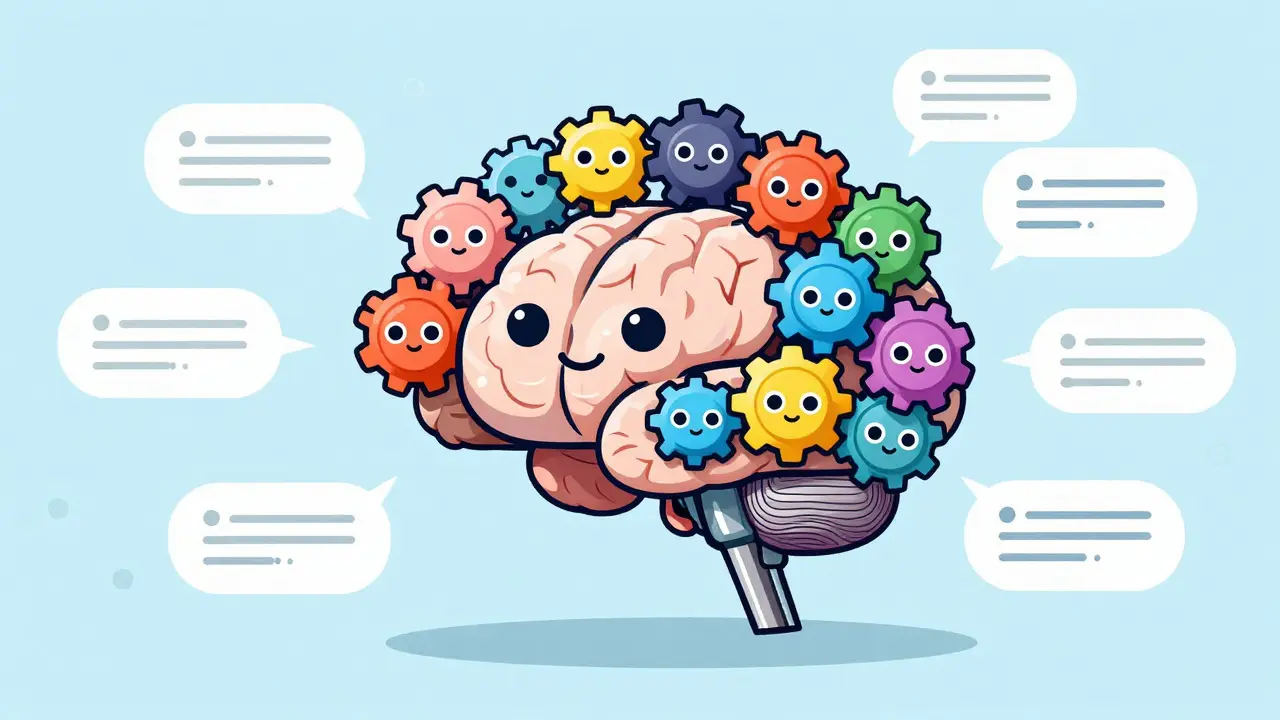
Attention Head Specialization in LLMs: How Transformers Focus
Discover how attention head specialization in LLMs allows transformers to process syntax, semantics, and logic in parallel. Learn about the mechanics, benefits, and tools for analyzing these specialized components.
Read more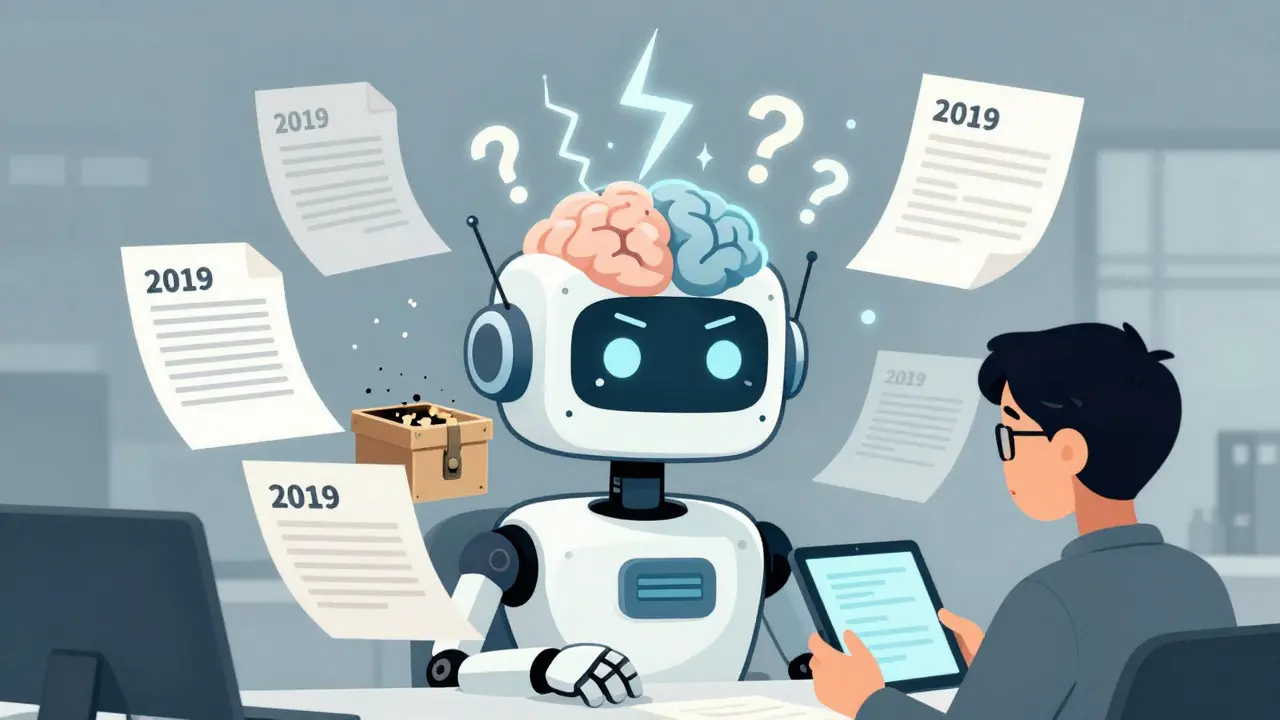
Retrieval-Augmented Generation (RAG): Grounding Generative AI in Verified Sources
Learn how Retrieval-Augmented Generation (RAG) grounds Generative AI in verified sources to cut hallucinations. Compare RAG vs. fine-tuning, explore vector databases, and see how to implement this architecture effectively.
Read more
Vibe Coding in Practice: Top Industry Use Cases and Applications
Explore how vibe coding transforms software development across industries. From rapid prototyping to enterprise microservices, see how AI-powered code generation boosts speed and creativity.
Read more
The Future Developer Role: Architecture, Security, and Judgment over Syntax
Discover how the developer role is evolving in 2026. Learn why architecture, security, and judgment are replacing syntax mastery as key skills.
Read more
Vibe Coding Myths and Facts: Separating Hype from Reality
Discover the truth behind vibe coding. We separate the hype from reality, exploring its origins, myths, and practical applications for modern software development.
Read more
Prompt Length vs Output Quality: Why Longer Prompts Hurt LLM Performance
Discover why longer prompts often hurt LLM output quality. Learn about attention bottlenecks, recency bias, and optimal token counts for GPT-4, Claude, and Gemini to improve accuracy and reduce costs.
Read more
How Multimodal Generative AI Is Revolutionizing Accessibility: Narration, Captions, and Descriptions
Discover how multimodal generative AI transforms digital accessibility through real-time narration, dynamic captions, and interactive descriptions, empowering users with diverse abilities.
Read more
Data Collection and Cleaning for LLM Pretraining at Web Scale: The 2026 Pipeline Guide
Explore the critical shift in LLM pretraining from quantity to quality. Learn how web-scale data collection, cleaning pipelines, and synthetic data generation are reshaping AI development in 2026.
Read more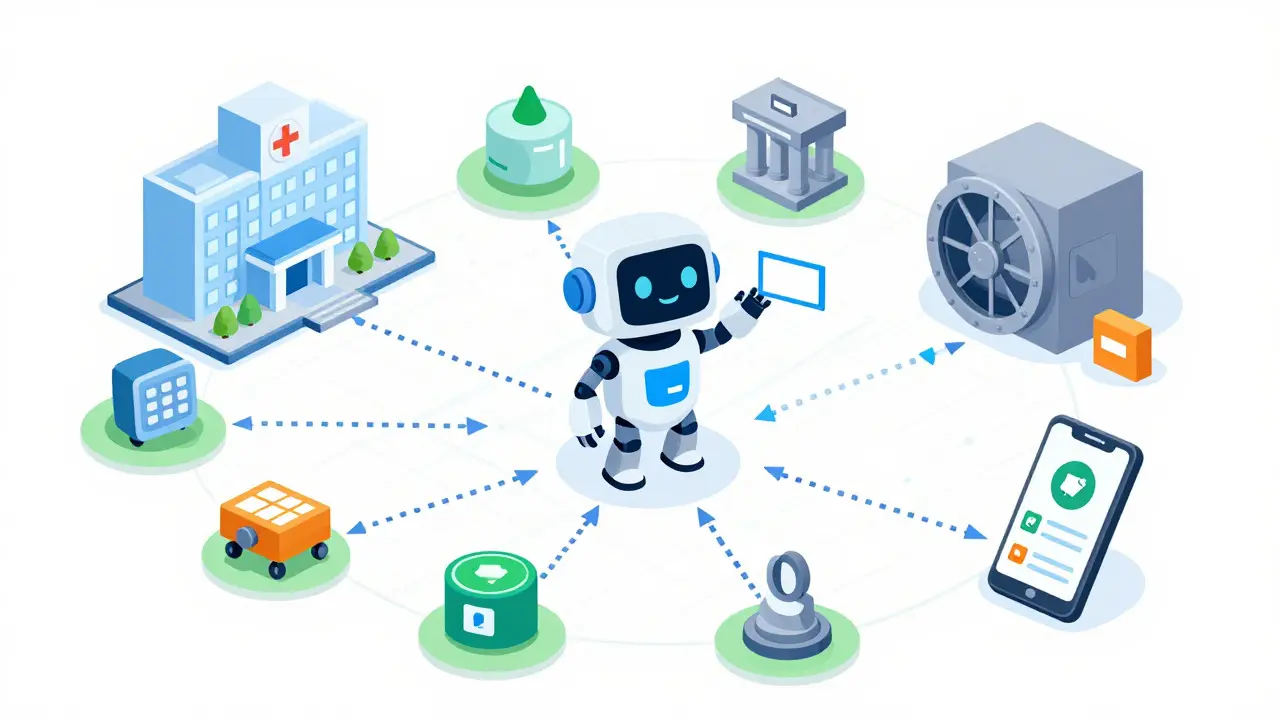
Federated Learning for Large Language Models: Training Without Data Centralization
Discover how Federated Learning enables training Large Language Models without centralizing sensitive data. Explore frameworks like OpenFedLLM, privacy benefits, and real-world applications in healthcare and finance.
Read more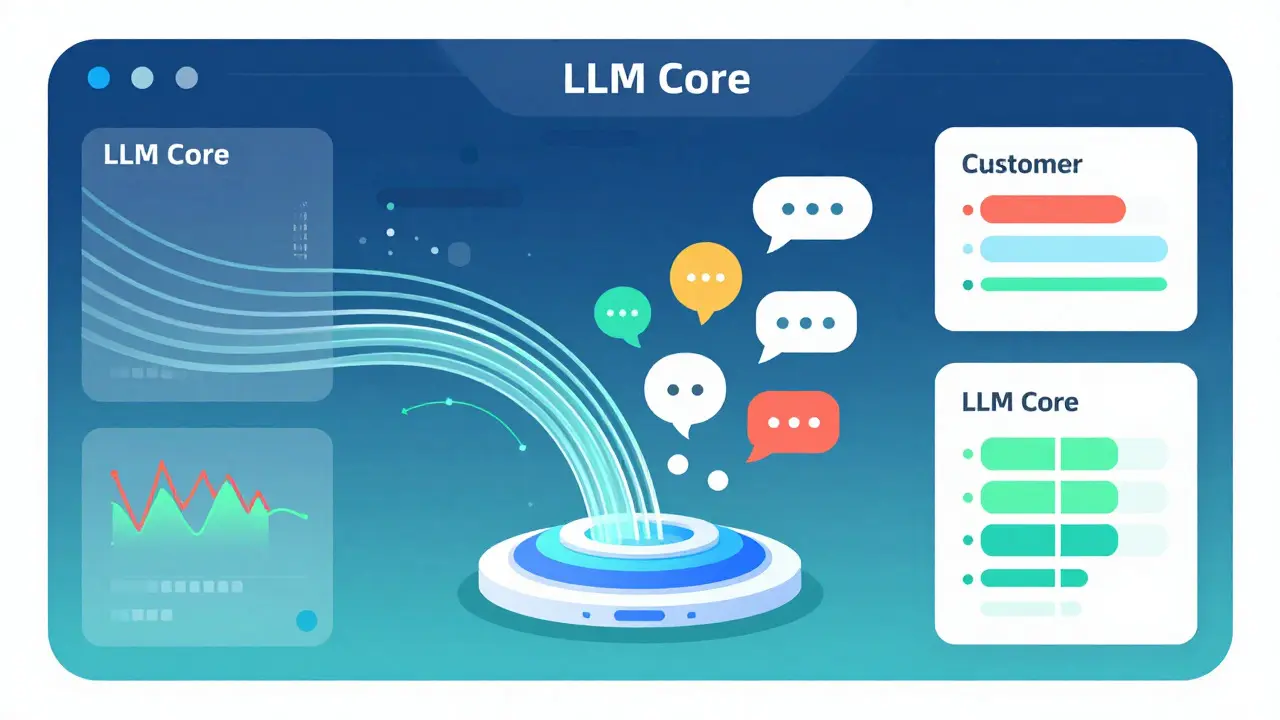
Contact Center Analytics with Large Language Models: Sentiment and Intent Detection
Explore how Large Language Models revolutionize contact center analytics through advanced sentiment and intent detection. Learn about HDBSCAN clustering, intent chaining, and predictive insights.
Read more